
Black Country housing crisis laid bare as seven new HMO applications are lodged each month in Sandwell, Dudley, Walsall and Wolverhampton
More than 250 applications for new houses of multiple occupancy have been lodged in the Black Country and surrounding areas over the past three years - a rate of seven every month in Wolverhampton, Sandwell, Walsall and Dudley

The figures come after Sandwell Council's new opposition leader, Councillor Amrita Dunn, voiced her dismay at the growing number of hostels in the borough and pledged to make them one of her priorities.
They lay bare the extent of the housing crisis in the West Midlands, and have led to concerns about a correlation between the rising number of hostels and crime rates.
Houses of multiple occupation (HMOs) are properties where bedrooms are sub-let to individual tenants, who share communal rooms such as kitchens and bathrooms.
Councillor Dunn said halting their growth would be one of her priorities when she was elected as leader of Sandwell's opposition Conservative group, saying more needed to be done to prevent their proliferation.
"The unchecked growth and poor regulation of houses in multiple occupation have had a serious impact on neighbourhoods across Sandwell," she said.


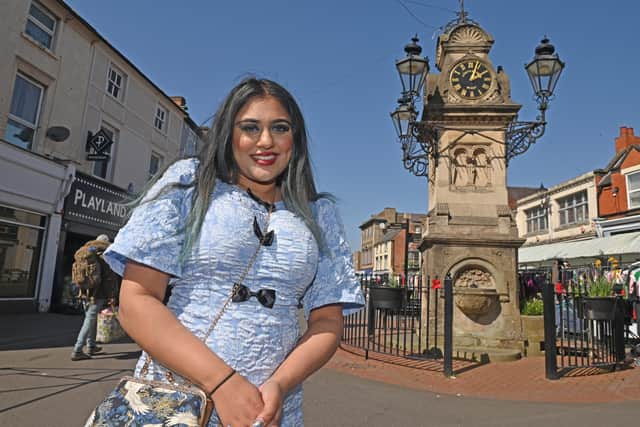
Councillor Simran Cheema, Labour member for Willenhall South on Walsall Council, said her ward was now 'saturated' with the buildings, which caused problems with parking and anti-social behaviour.
“There is a growing sense of frustration among residents regarding the number of HMO planning applications in Willenhall," she said.
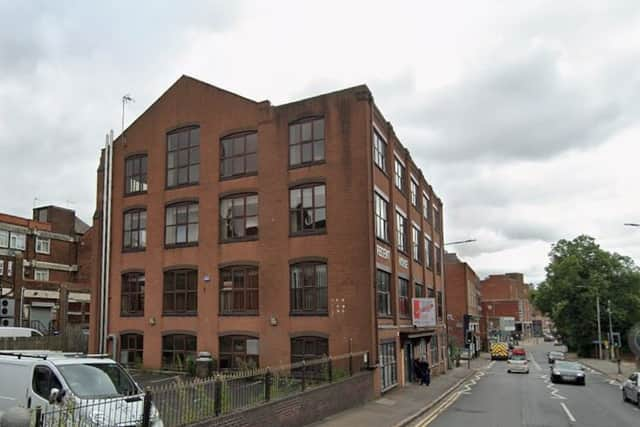
Major HMO schemes currently being considered include plans to convert the Regent House office block in Dudley town centre into a 35-bedroom hostel, and plans for a 36-bed HMO in a Grade II-listed former office block opposite West Bromwich Town Hall. A previous application for a 35-bed HMO in the same building had been approved in 2020, but never materialised.
Earlier this month, an 800-signature petition was presented to Walsall Council objecting to plans to turn the well-known former Roy Birch DIY shop in Willenhall town centre into a 13-bedroom HMO.
Wolverhampton had the highest number of applications over the past three years, with a total of 98 being lodged.
Police reported that 51 per cent of all crimes committed in Wolverhampton were within a quarter of a mile of an HMO.
The figures came to light when the council refused permission for two new HMOs to be built in Fawdry Street, Whitmore Reans, on the grounds they would be likely to increase people's fear of crime.
The developer has now lodged an appeal against the decision.
Senior planning officer Jobe Elwell said: "The proposed semi-detached homes of multiple occupancy would unacceptably increase the risk of anti-social behaviour and fear of crime in the local area.
"Whether or not such crimes are carried out by occupants of an HMO, there remains a correlation between HMOs and crime."
Sandwell has seen 77 applications relating to HMOs over the past three years, including a number of retrospective applications after they have opened without permission.
One such application was for the 20-bedroom property that opened without consent in the former Highcroft House care home in Birmingham New Road, Tividale.
The number of applications in Walsall and Dudley were not as high, at 41 and 35 respectively, but they have still attracted concerns.
Councillor Cheema, who organised the petition against plans to convert the Roy Birch show, said there was growing frustration at the concentration of HMOs in Willenhall.
The Lower Lichfield Street shop closed in 2023 when Mr Birch retired in his early 90s after more than 50 decades of service in the town.
She said over the last 12 months, plans have been put forward to convert several buildings into HMOs, including the former Fosters Fitness Centre on Wood Street, Chamberlains on Upper Lichfield Street and the former Falcon Inn pub on Gomer Street West.
“The area is already saturated with HMOs and this proposal will only add to the problems of overcrowding, parking issues and anti-social behaviour.
Last month former MP Marco Longhi called for the council to tighten its regulation of HMOs after more than 3,000 people signed a petition.
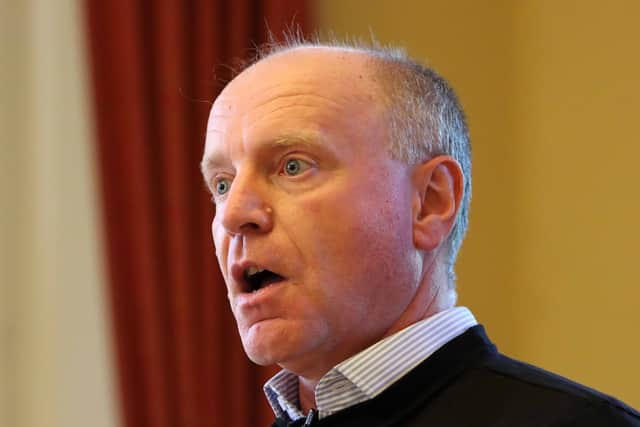
Mr Longhi, a former councillor in Walsall, said he wanted Dudley Council to introduce bylaws that meant the default position was to refuse permission for HMOs unless a powerful case was made to justify them.
"Most residences are designed to be private dwellings with families in them, and pubs and whatever that have been converted again, it's just changing the character of the local community," he said.
"HMOs tend not to be a great asset in any community, never mind who occupies them.
"I'm concerned that the likes of Serco and the Home Office are going to be pushing people into them, underneath the nose of local authorities, often without any planning permission whatsoever.
"And then when they get caught out, they'll say, 'oh, just apply retrospectively, and you'll probably get approved'. I think there's a lot of that going on."
Mr Longhi said the weak rules were being exploited by unscrupulous landlords who see the potential to make more money from having multiple tenants.
"I would like to see a scenario in which you've almost got like the presumption against development in green belt as there being a presumption against the granting of an HMO licence, because these are not buildings that tend to attract the kind of occupants that bring a positive contribution towards local communities.
"HMOs should not be something that we just approve willy-nilly, irrespective of who the occupants are, because they tend to attract occupants who can be extremely transient and who might, for their own reasons, not be looking to make a positive contribution to the local community."
Comment Guidelines
Iconic Media encourages reader discussion on our stories. User feedback, insights and back-and-forth exchanges add a rich layer of context to reporting. Please review our Community Guidelines before commenting.