
Old photographs capture Black Country railway stations in the 1960s

Railway buffs share their pictures of the old Willenhall and Darlaston stations in the last weeks before the Beeching cuts
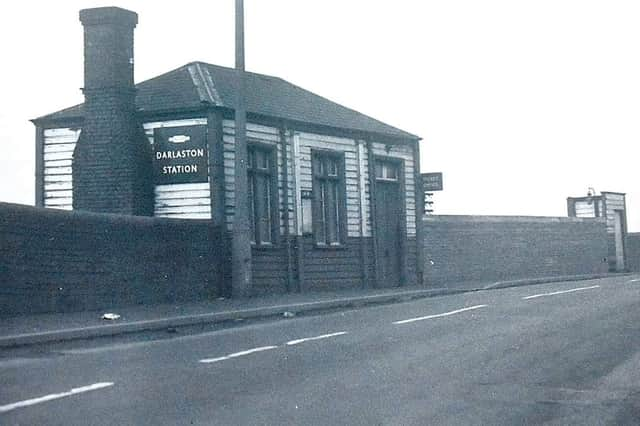
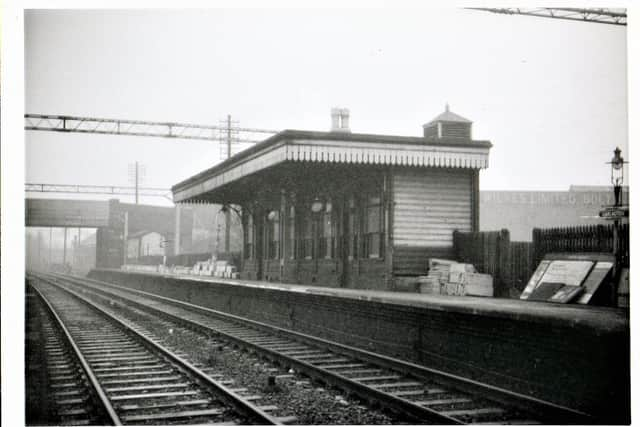
Back in the early 60s, these Black Country railway stations reverberated to the footsteps of harassed commuters, the clatter of carriage doors, and the piercing sound of the guards’ whistles. And then, one day, in January 1965, the platforms fell silent, as Willenhall and Darlaston stations became the latest victims of the Beeching cuts.
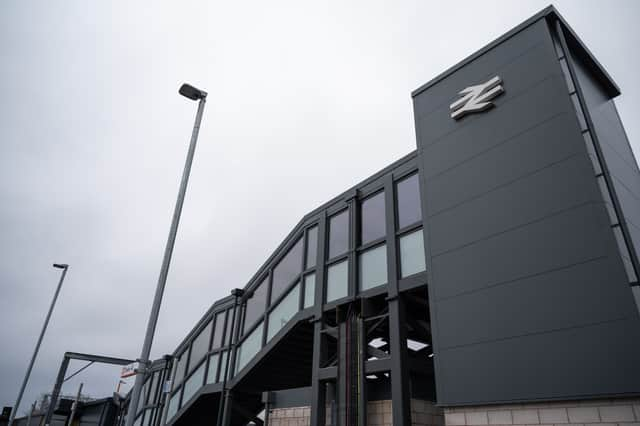
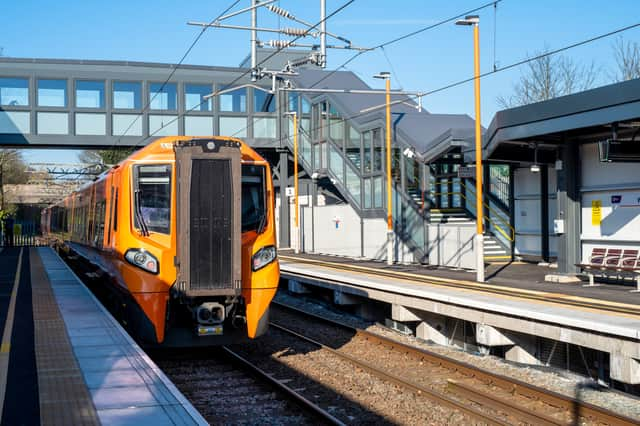
Now more than six decades on, the stations are up and running once more, thanks to an £85 million investment to increase passenger numbers on the Wolverhampton-Walsall lines. And to mark the occasion, rail buffs David Bathurst and David Smith have shared their photographs from the dying days of the old stations.


The photographs, which the pair have shared with West Midlands Railway that oversaw the opening of the new stations in March, offering a striking comparison between the old and the new.
Mr Bathurst, a volunteer at Chasewater Railway Museum, was o the last train that passed through them both.
“At the time, lots of young people were pushing their focus onto the railways, and many of us in the Walsall Locomotive Society were travelling all over the country to pursue the hobby,” he said.
“Once the stations closed, we all felt a shift, local people couldn't just hop on the train anymore.
"I never thought I would see the day when Darlaston and Willenhall were to see new stations, I am so pleased to see them open again. The journey numbers also seem to be going up, which is great to see. The reopening of the stations brings you back to a sense of reality, none of us wanted to see them close, so it's wonderful to see them flourishing again.”
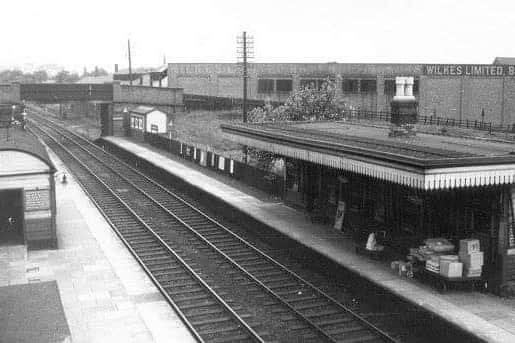
The original Darlaston station first opened in 1837 on the Grand Junction Railway, making it one of the first Black Country towns to gain an early public railway connection.
Over the years, the station was known by a number of names, including James Bridge and James Bridge for Darlaston, before eventually becoming known simply as Darlaston in 1913.
But it was deemed surplus in Richard Beeching’s now-infamous 1963 report The Reshaping of British Railways, which recommended the closure of 2,363 passenger stations - more than half of the total network. Beeching, chairman of ICI, was called in by the Government to stem massive losses at British Railways.
A spokeswoman for West Midlands Railway said: "Seeing these old photographs really brings home just how much has changed, while also showing how the railway continues to connect Darlaston to the wider region.

"These memories, old photographs, and tickets give us a small window into what travelling by train looked like for people living and working here decades ago. It's fascinating to see the original station as it was, and then compare it with the new station welcoming passengers today.
"We're really grateful to both Davids for sharing their photographs and memorabilia with us. We'd still love to hear from anyone else who has an old photograph, ticket, timetable, newspaper cutting, or memory connected to Darlaston or Willenhall, so we can continue building a picture of the railway's history in these communities."
Comment Guidelines
Iconic Media encourages reader discussion on our stories. User feedback, insights and back-and-forth exchanges add a rich layer of context to reporting. Please review our Community Guidelines before commenting.