
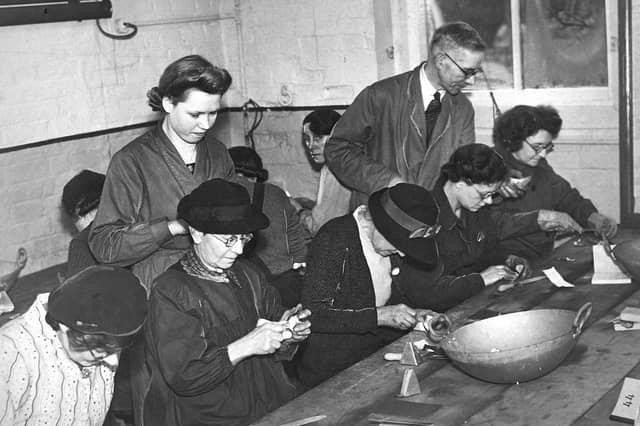

During the Second World War, as hundreds of thousands of men left to serve overseas, women across the West Midlands and Shropshire stepped into vital roles to keep the country moving.
From factory floors and railway sidings to farms, air-raid observation posts and munitions workshops, women took on jobs that had once been largely the preserve of men. They operated heavy machinery, helped build aircraft, transported goods and worked the land, playing a crucial part in the war effort.
This collection of pictures captures the determination, hard work and contribution of local women on the home front, showing how they helped keep industry, agriculture and communities going through some of the most challenging years in the nation's history.
Have stories been passed down through your family about women who played their part in the war effort? We’d love to hear them, so please share your memories in the comments below.
- For anyone curious about where their own family story leads, MyHeritage DNA kits are currently £19.90, excluding shipping. The test can help explore genetic origins and identify DNA matches who may share branches of your family tree.
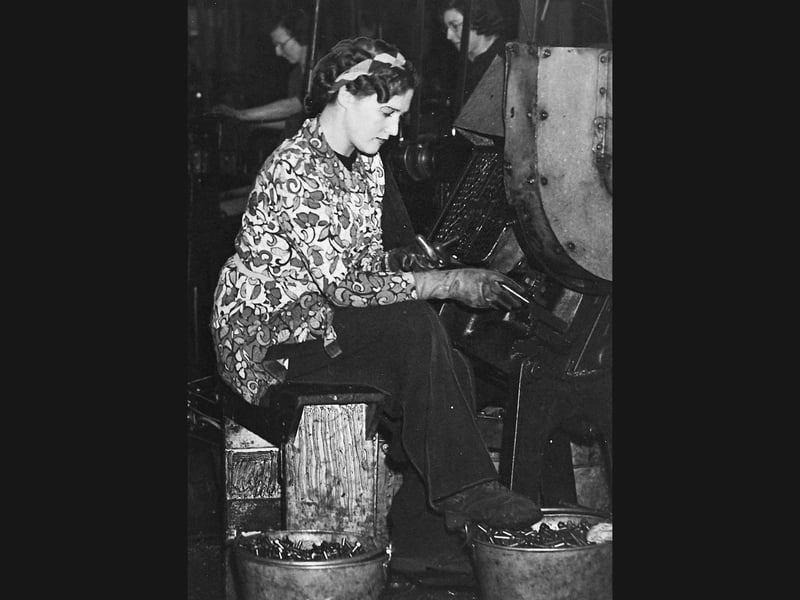
17. Working through the blackout at a Darlaston factory
Buckets brimming with freshly turned metal fasteners rest at the feet of machine operator Mrs J M Moss as she works the late shift in Darlaston on 21 February 1942. Long after daylight faded, local women took over nocturnal factory floors across the Black Country to ensure war manufacturing ran 24 hours a day. Balancing gruelling night shifts with wartime home duties, they stepped directly into the shoes of male nut-and-bolt machinists deployed overseas, churning out the vital hardware needed for Allied military vehicles, field guns, and munitions. | Express & Star archive
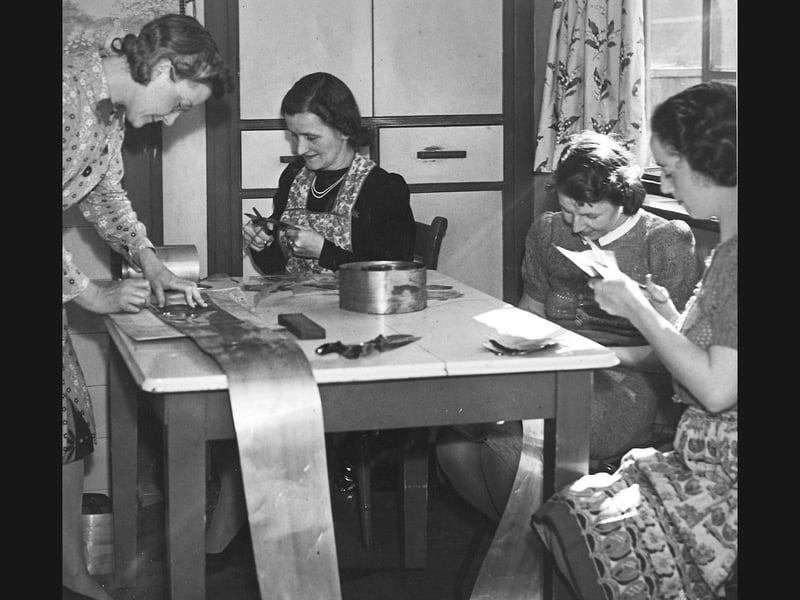
18. Cutting brass tank shims around a kitchen table
Long rolls of metal foil unfurl across an enamelled kitchen table on 18 April 1942 as Mrs Ward and her local war-work party turn a domestic home into an improvised munitions workshop. Using hand shears, tin snips, and round measuring tins, the group carefully cuts and finishes brass shims destined for armoured tanks. With male industrial workers away on military service overseas, home-based production circles like this allowed housewives and mothers to contribute directly to heavy mechanical supply lines while keeping domestic routines and family responsibilities running smoothly. | Express & Star archive
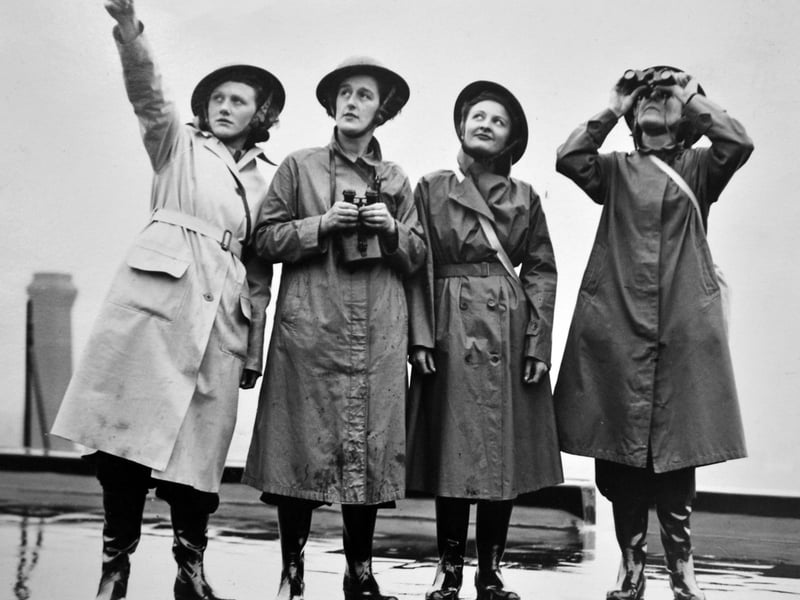
19. Scanning the skies above Marks & Spencer in Shrewsbury
Binoculars raised and eyes trained on the horizon, four shopworkers stand watch atop a wet rooftop in November 1940: Nora Phillips, Winnie Green, Daphne Winrow, and Emily Stone. Selected from a pool of volunteers at the Shrewsbury branch of Messrs Marks & Spencer Ltd, the group formed an Air Raid Precautions (ARP) spotting and fire-watching team designed to give early warning of approaching enemy aircraft and incendiary bombs. Mrs Stone, the sole woman among 28 candidates to complete the official county police roof-watching instructor course, trained her three colleagues to carry out rotating half-hour watches between upper and lower parapets during air-raid alerts, safeguarding shoppers and staff on the sales floors below while men were deployed to the military fronts. | Photograph by E A Wood
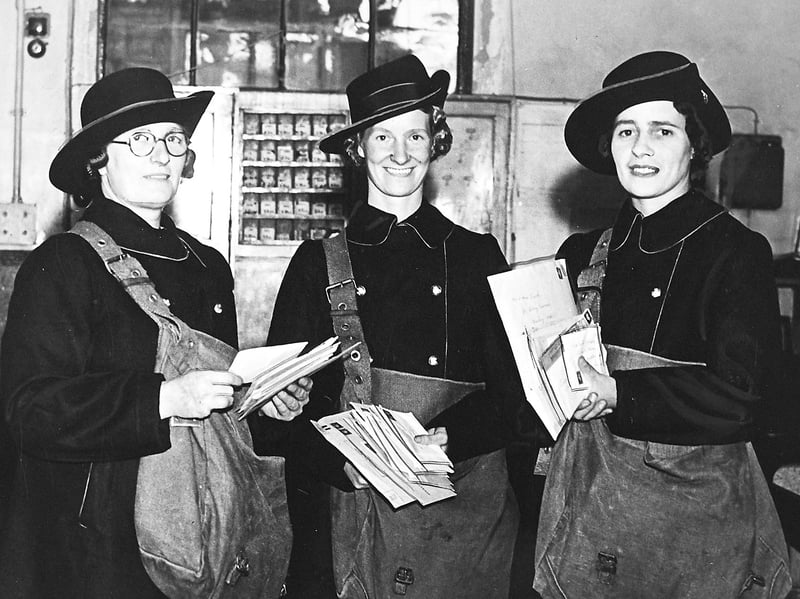
20. Delivering morale on the morning rounds in Willenhall
Heavy canvas mail satchels slung across their shoulders, three dedicated postwomen, Miss M. Tonkinson, Mrs E Eccleston, and Miss B Palmer, prepare to head out into the morning streets on 28 June 1940. Rising at 5am every dawn, these Willenhall women took charge of local delivery routes as the town's regular postmen were called away into military service. Rain or shine, their early-morning rounds carried far more than routine correspondence; by keeping vital letters, news from the fighting fronts, and family parcels moving through the community, they delivered a daily lifeline of hope and connection during the darkest days of the war. | Express & Star archive