
NHS floundering under emergency admissions
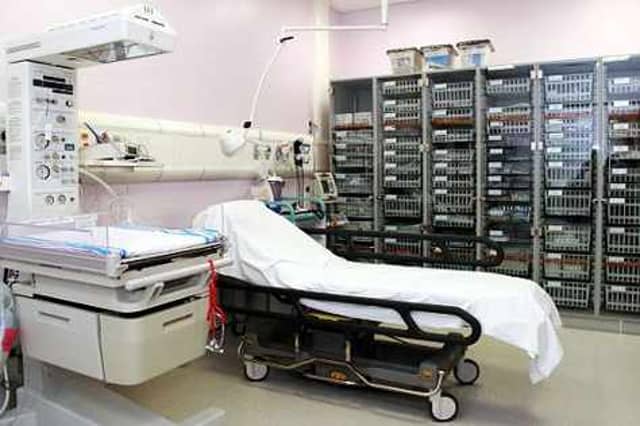

There has been a large and avoidable rise in the number of people admitted to hospital as emergencies, a report said.
There has been a large and avoidable rise in the number of people admitted to hospital as emergencies, a report said.
More and more patients are being put in hospital for just one day, suggesting they do not need to be there at all, experts found.
The study, from independent think-tank the Nuffield Trust, said the increase was "unsustainable" and pointed to large variations between hospitals in how many patients were admitted.
It calculated there was a 12% leap between 2004/05 and 2008/09 in the number of patients going into hospital as an emergency - resulting in around 1.35 million "extra" admissions.
The number of "costly and frequently preventable" emergency admissions, mostly through A&E, rose from 4.4 million in 2004/05 to 4.9 million in 2008/09, the study said.
Around one in three of all hospital admissions in England are emergencies, costing the NHS some £11 billion a year - one of the most expensive areas of the health service.
All the "extra" admissions highlighted in the report cost at least £330 million annually.
The study examined several reasons for the increase, including the fact people are living longer and older people are far more likely to be admitted to hospital as an emergency.
The elderly accounted for 40% of the rise, although experts thought this figure would be far higher.
A pressing problem seems to be changes in medical practice, with more patients being admitted for a stay of 24 hours or less.