
Neighbouring glass museums clash over plans for distillery at historic site near Dudley
Distillery plan would lead to over-saturation of glass quarter, says objector

Plans for a distillery and cafe at one of the Black Country’s most famous former glassworks has sparked objections from a neighbouring glass museum.
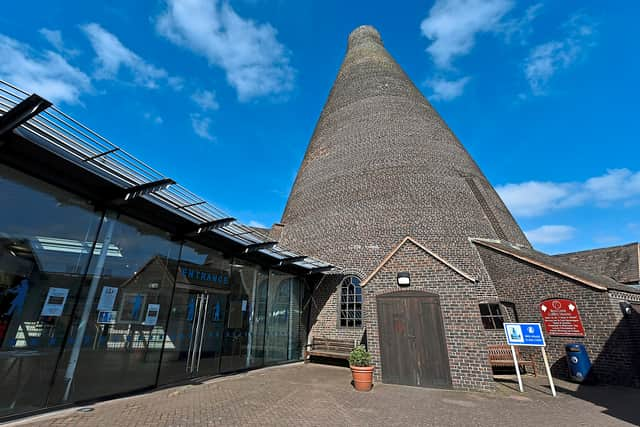
The Red House glass cone is one of eight objectors to plans for a “visitor-focused craft distillery” at the former Stuart glassworks in Vine Street, Wordsley.
It warned that the scheme could affect the viability of the Red House, and compromise the security of Dudley’s nationally important glass museum.
The plans are for part of a canalside building, known as The Newhouse, which is directly opposite the Red House.
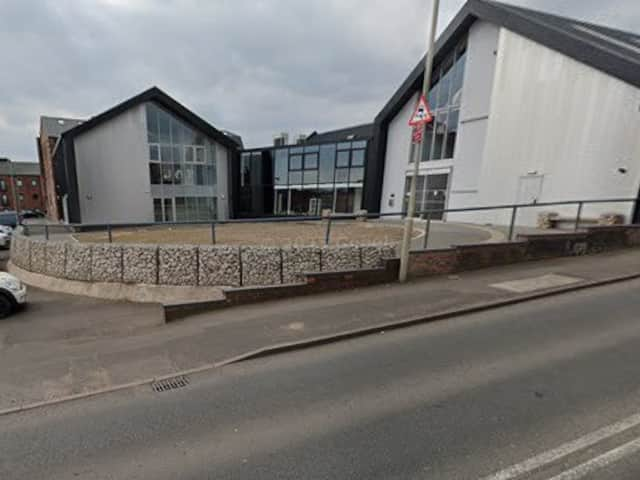

The Newhouse site formed part of the White House glassworks, which was one of the Black Country’s most famous glassmaking sites.
Crown Works Distillery Ltd said its plan for a craft distillery, visitor experience, café, shops and gin school, would complement the Stourbridge Glass Museum which it is attached to.
But, in a letter to Dudley Council planners, the Red House said the plans could undermine its own museum and the independent businesses that were based on the site.
The letter pointed out that the Stourbridge Glass Museum had received a lottery grant with conditions restricting retail and catering provision to avoid undermining existing businesses.
It said this reflected the importance of maintaining a balanced visitor economy across the quarter.
The letter also voiced concerns about whether proposed out-of-hours activities could affect the security arrangements for Dudley Council’s “nationally important” glass collection, stressing the importance of “ensuring that this significant heritage asset remains protected”.
“While supportive of investment and new enterprise in the glass quarter, the council should only support developments that clearly enhance the visitor economy, complement existing attractions and provide demonstrable, sustainable benefits to the area,” it said.
The letter also expressed concerns about the impact on the site’s heritage, saying it was “inconsistent with the site's historic purpose” and “could diminish its cultural value”.
It also expressed fears about increased traffic, parking pressures and highway safety in an area that already experienced congestion and served several visitor attractions and residential properties.
“The council is requested to carefully examine whether the proposal duplicates existing provision, delivers genuine economic benefits, supports the long-term vision for the glass quarter, and is supported by robust evidence on visitor numbers, jobs and local economic impact.”
Tom Groves, who runs the Situation Design business from the Red House, also objected.
“Working on site at the Red House glass cone, I have built up an understanding of how the two museums historically have worked together to create the best experience for the public, creating a community atmosphere at the heart of the glass quarter,” he wrote.
“It is my strong belief the proposed plans drastically impact this, creating distrust between the two sites.
“Over-saturating the glass quarter in my view will lower the visitation to both museums, impact business and local residents and therefor the overall customer experience.
“Frequent visitors the the site are local residents who love the atmosphere of the glass quarter and what it has to offer but concerns are being raised regarding the viability of the future of the site, parking, disturbance to residential parking spaces during deliveries, noise concerns especially during late night events, and the provision of alcohol in close proximity to residents cars and housing.”
The site, which formed part of the White House glassworks, had been the home to glassmaker Webb and Corbett from 1897 to 1914.
It was then acquired by Stuart and Sons, which had operated from the neighbouring Red House, to meet the growing demand for light bulbs and items for the Ministry of War.
The company remained in the hands of the Stuart family until 1995 when it was sold to Waterford Wedgwood. It closed suddenly in 2001, but after 12 years of planning and fundraising by the British Glass Foundation, it opened to the public as the Stourbridge Glass Museum in 2022.
The scheme will now be considered by Dudley Council’s planning department.
Comment Guidelines
Iconic Media encourages reader discussion on our stories. User feedback, insights and back-and-forth exchanges add a rich layer of context to reporting. Please review our Community Guidelines before commenting.