
Number of crashes on ring road increase by 50 per cent after 30mph limit imposed
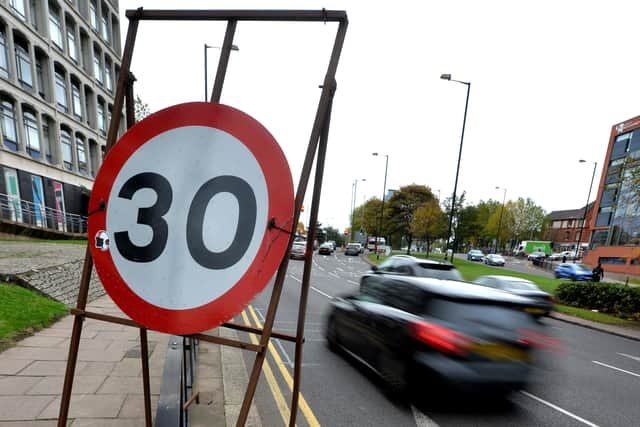
The number of car crashes on the Wolverhampton ring road has increased by more than half since a 30mph speed limit was imposed three-and-a-half years ago.


Data from the Department for Transport show a 53 per cent increase in the number of road collisions on the road since the limit was reduced from 40mph in June 2020.
The new limit was introduced, initially as a temporary measure, to encourage people to walk or cycle rather than depend on their cars.
But in November 2021, Wolverhampton Council decided to make the order permanent.
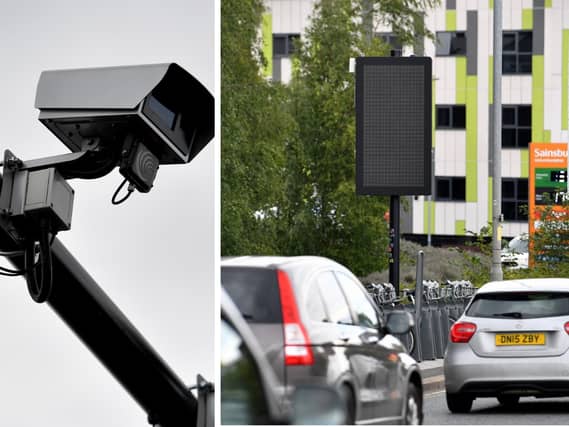
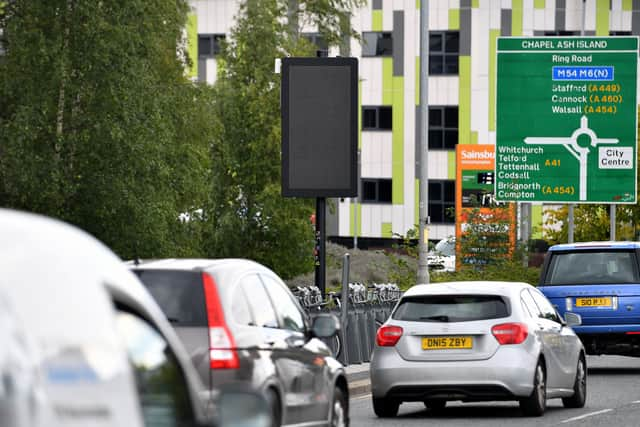
'Watchman' signs, which flash-up the registration numbers of cars exceeding the speed limit, were installed at a cost of £165,000, to remind drivers to watch their speed.
At the time, leader of the Conservative opposition on Wolverhampton Council, Councillor Wendy Thompson, accused the authority of rushing through the scheme with little consultation.
Figures show there were have been 43 crashes in the 29 months following the introduction of the speed limit, four of which were deemed to be 'serious'. In the 29 months prior to the limit, there were 28 collisions, four of them serious.
A total of 18 crashes happened on the ring road in 2022, the latest year for which data is available.
In 2021, the first full year since the limit was cut, there were 17 crashes.
This compares to just 11 crashes in 2019, and 12 the year before that.
During 2020, the year the speed limit was reduced, eight of the 11 collisions took place after the 30 limit came into force, although the only serious crash did happen in the months before.
The data shows that most of the collisions took place on traffic islands rather than the main carriageway itself.
Councillor Craig Collingswood, cabinet member for environment and climate change at Wolverhampton Council, said a more detailed look at the data would be needed to determine whether or not the speed limit was working.
“The impact of road safety measures such as these should be carried out over a significant period of time and involves detailed and expert analysis," he said.
"For example, the majority of accidents on the ring road occur at junctions and roundabouts and specific analysis of each accident would be needed to determine if speed was a factor."
But he stressed that road safety was not the only reason for cutting the speed limit.
"There have been multiple benefits to reducing the speed limit on the ring road," he said.
"Firstly, statistics show that people are far less likely to suffer a serious injury in an accident if it takes place at a lower speed.
“Secondly, the changes support our commitment to being a greener city, lowering emissions by reducing aggressive acceleration and braking.
“Thirdly, we want all road users to feel safe when travelling around the city and the reduced limit encourages more people to walk and cycle.
"We have introduced a new pedestrian crossing and cycle route on the ring road. Lower speeds keep these road users safer.”
Councillor Collingswood added that the council received just three objections during the public consultation about lowering the speed limit, which was supported by West Midlands Police.
Comment Guidelines
Iconic Media encourages reader discussion on our stories. User feedback, insights and back-and-forth exchanges add a rich layer of context to reporting. Please review our Community Guidelines before commenting.