
Opinions divided on 50 acres of tree felling at beauty spot near Stourbridge

The National Trust says the work at Kinver Edge will benefit natural habitats
Almost 50 acres of woodland is being cleared at a popular beauty spot on the fringe of the Black Country.
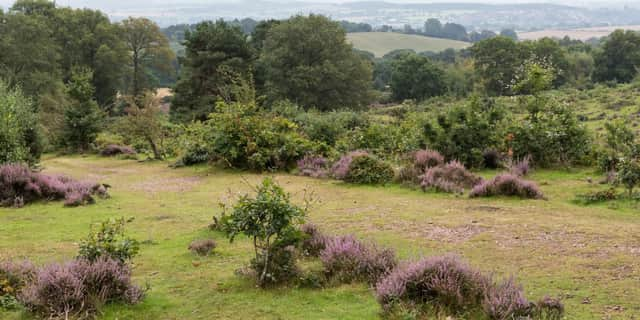
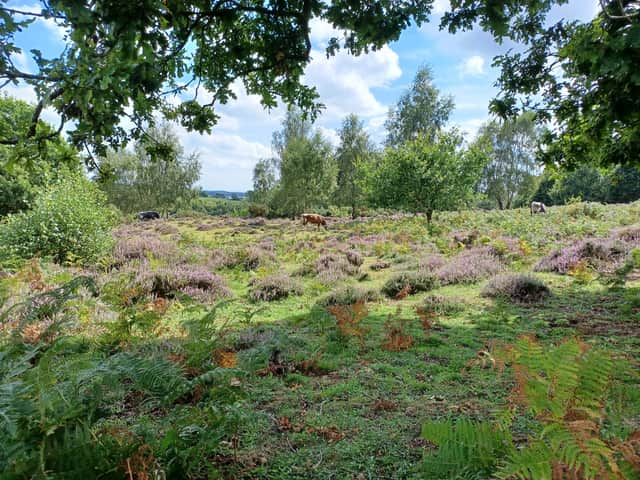
The National Trust says the work at Blakeshall Common on Kinver Edge is being carried out to restore historic heathlands, but the work has been criticised by some locals who have concerns about the loss of trees.
Ewan Chapman, countryside manager for the site, said the trees had been planted as timber crops in the first half of the 20th century, and the trust was now seeking to restore the common to how it would have looked before.
He said most of the ageing conifers across the 47-acre site would be removed to restore a more open landscape of low-growing heathland and scattered trees.
The trust said heathland, once a widespread and common component of the landscape in the Midlands, was now isolated and fragmented.
More than 80 per cent of this rare and special habitat had been lost over the past 200 years, through agricultural change, conifer planting, development pressures and neglect.
This placed wildlife that relied on this type of habitat, including many insects, reptiles and ground nesting birds, in danger or under threat of extinction.
Resident Sue Butler said she was appalled by the work.
“I was so sad to see the destruction here, and so much of it,” she said.
Sarah Tweed said: “I stood and shed a tear when I saw what has happened. It’s heart-breaking.”
Maxine Saunders added: “I used to love Kinver Edge until the National Trust started hacking at it. So sad, and I don’t go near any of their other properties any more as a result.”

Concerns were also expressed about noise from chainsaws and lorries removing logs from the site.
Jonathan Kirkham said: “Trees are nature’s carbon dioxide collectors and storage facility at no cost, to to mention the beneficial phytoncides they release. Too late now, unfortunately.”
However, Karen Collacott welcomed the work, saying she had been waiting many years for the work to happen.
“For nature, this small area will become an amazing rare heathland,” she said.
Other visitors to the site pointed out that the trees being removed were not native, but had been planted for commercial use.
Mr Chapman said the work at Blakeshall Common was part of a project to restore Kinver Edge to its former glory.
“The site was originally heathland before conifers were planted as a timber crop in the first half of the 20th century,” he said.
“Lowland heathland is now a rare and declining priority habitat, supporting wildlife including ground-nesting birds, insects, reptiles, bats and pollinators.”
He said the work would also create a more open landscape, and the broadleaf trees would be retained.
Mr Chapman said more than 370 acres of woodland would be retained across the wider site, continuing to provide important habitats and opportunities for recreation.
“The area being felled represents just under a third of the conifer plantation at Kinver Edge.
“The National Trust is committed to increasing tree and woodland cover across the nation, but conservation is about having the right tree and the right habitat in the right place, for the right reasons.
“At Kinver Edge, restoring lowland heathland and wood pasture will create a more diverse landscape, support a wider range of wildlife and strengthen the site’s ecological resilience for the future.”
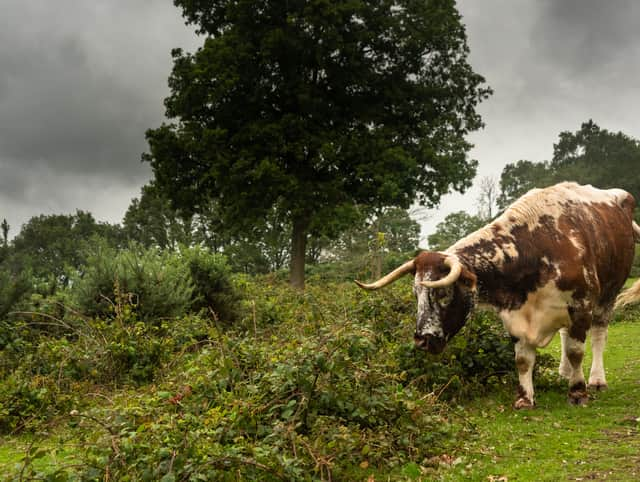
The trust has also introduced English longhorn cows to the site, to naturally prevent the heathlands from becoming overgrown.
Comment Guidelines
Iconic Media encourages reader discussion on our stories. User feedback, insights and back-and-forth exchanges add a rich layer of context to reporting. Please review our Community Guidelines before commenting.