
I went fossil hunting in search of a 420-million-year-old Dudley Bug and this is what I found
Dan Stacey went to Wren’s Nest in search of the Dudley Bug
Most towns have a local mascot. Dudley has one that might just be the oldest in the world.
Known affectionately as the "Dudley Bug", the fossilised trilobite has become a symbol of the town's rich geological heritage, appearing on everything from souvenirs to the borough's coat of arms. However, while plenty of people recognise its distinctive shape, fewer know that you can still go looking for one yourself.
That is exactly what I set out to do at Wren's Nest National Nature Reserve.


Most nature reserves offer visitors a chance to spot wildlife, enjoy a scenic walk or escape the bustle of everyday life. At Wren’s Nest, however, visitors can do something far more unusual - search for fossils from a tropical sea that existed more than 420 million years ago.
The former limestone quarry is one of Britain's most important fossil sites. Long before the Black Country became known for mines, furnaces and factories, this landscape sat beneath a warm tropical sea teeming with life.
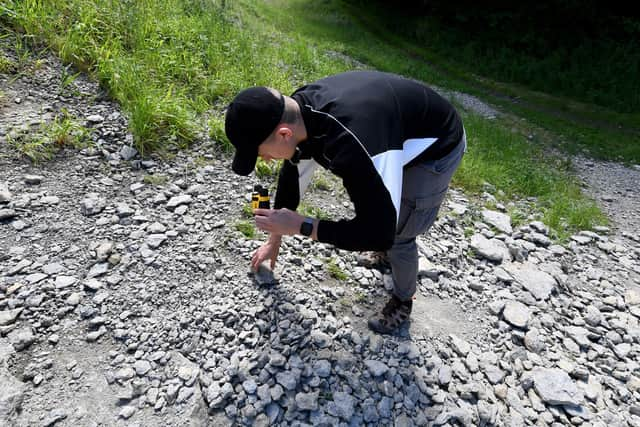
Today, that ancient seabed is exposed in the reserve's rocky slopes and quarry faces, preserving a snapshot of a world that existed hundreds of millions of years before dinosaurs ever walked the Earth.
And somewhere among those rocks, I hoped to find a Dudley Bug.
Whether it is a complete specimen or just part of one, spotting a Dudley Bug is like uncovering buried treasure. It is easy to see why Victorian quarrymen became fascinated by them. During the height of limestone extraction activity in the area, trilobite fossils were found so frequently that the creatures became synonymous with the town itself.

In fact, the Dudley Bug isn't actually a bug at all. It was a marine arthropod that crawled across the floor of an ancient ocean more than 420 million years ago. The species found at Wren's Nest, Calymene blumenbachii, became one of the most famous fossils in Britain and helped put Dudley on the geological map.
What makes the experience so special is that these are not museum exhibits hidden behind glass. They are real fossils waiting to be discovered in the very rocks where they were formed.
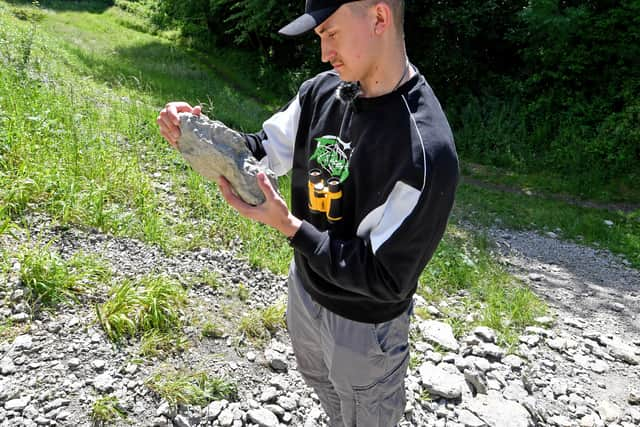
Visitors should remember that Wren's Nest is a protected National Nature Reserve. Fossils can be collected from loose material on the ground, but hammering rocks or quarry faces is strictly forbidden to preserve the site for future generations.
As I left the reserve, one thing became clear. Wren's Nest is more than just a nature reserve or a geological site. It is one of the few places in the country where anyone can experience the thrill of discovering a creature that lived hundreds of millions of years ago.
And if you are lucky, you might even find the fossil that made Dudley famous.
Comment Guidelines
Iconic Media encourages reader discussion on our stories. User feedback, insights and back-and-forth exchanges add a rich layer of context to reporting. Please review our Community Guidelines before commenting.