
Major overhaul of urgent care services for certain West Midlands areas

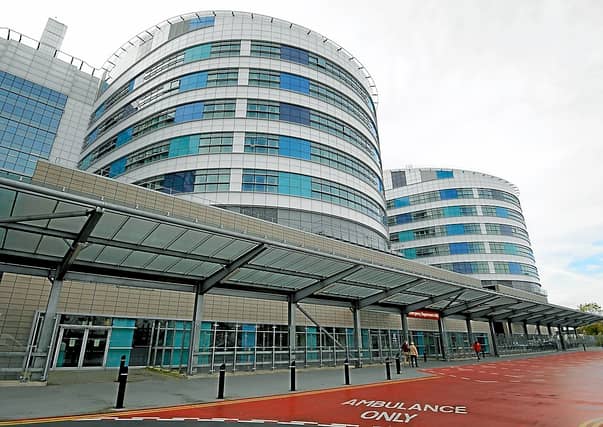

Money is being pumped into boosting urgent care services across Birmingham and Solihull
A major £30 million transformation of urgent care services in Birmingham and Solihull has been given the go-ahead.
NHS Birmingham and Solihull has approved a £33 million investment in new facilities aimed at improving patients access to healthcare and services.
It follows an extensive two-year review of Urgent Treatment Centres (UTCs) and GP out-of-hours services, including a 10-week public consultation earlier this year.
The new model will provide seven UTCs across Birmingham and Solihull, alongside new specialist urgent care services in East and West Birmingham and improvements to accessing a GP when GP surgeries are closed at evenings, weekends and Bank Holidays.
The changes will include:
Four new hospital-based UTCs at Queen Elizabeth Hospital Birmingham, Heartlands Hospital, Good Hope Hospital and Midland Metropolitan University Hospital. This includes a new purpose-built facility at Good Hope Hospital, which will become the permanent home of North Birmingham UTC (previously Warren Farm UTC).
Three existing community UTCs improved to meet national NHS standards – Solihull UTC at Solihull Hospital, Erdington UTC at Stockland Green Primary Care Centre and South Birmingham UTC at Katie Road, Selly Oak.
New local urgent care services at Summerfield Primary Care Centre and Washwood Heath Health and Wellbeing Centre, replacing the existing UTCs with services tailored to local health needs. Summerfield will provide respiratory and diabetes services, while Washwood Heath will offer a rapid access heart failure service, building on the development of the two centres as neighbourhood health hubs. At both centres, the services will be accessed through referrals from healthcare professionals, strengthening community-based care and helping patients receive treatment closer to home avoiding the need to visit a hospital.
Redesigned GP out-of-hours services across Birmingham and Solihull, with access through NHS 111 and a combination of remote consultations, face-to-face appointments and home visits, depending on patients’ clinical needs.
Under the new model, all seven UTCs will operate seven days a week, for at least 12 hours a day, treating minor illnesses and injuries in patients of all ages including children.
Patients will be able to walk into a UTC or access an appointment through NHS 111 and ambulance crews will also be able to take patients directly to a UTC where appropriate.
All UTCs will provide basic diagnostic tests, have access to patient records and offer clear pathways to further care where needed.
The four hospital-based UTCs will help ensure that patients attending hospital with urgent but non-life-threatening conditions are directed to the most appropriate service, while Accident & Emergency departments remain focused on those needing emergency care.
David Melbourne, Chief Executive of NHS Birmingham and Solihull and NHS Black Country, said: “This is about much more than changing how services are organised.
“We are making significant investment in urgent care to deliver meaningful improvements to the services patients rely on.
“We know how important it is for people to have confidence in their local NHS services.
“Our focus now is on working closely with NHS partners to turn these plans into reality, keeping patients and communities informed as changes are introduced and ensuring the improvements deliver a better experience of care.”
The new model will be implemented in phases, with full implementation expected by April 2028.
Comment Guidelines
Iconic Media encourages reader discussion on our stories. User feedback, insights and back-and-forth exchanges add a rich layer of context to reporting. Please review our Community Guidelines before commenting.