
George Osborne unveils where the cuts will be made
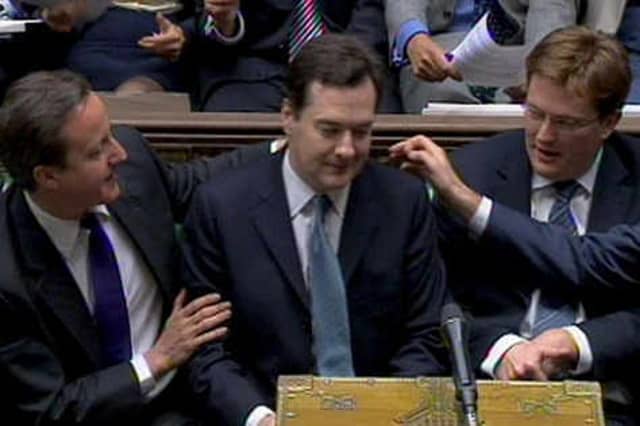

The biggest budget cuts in 100 years were announced this afternoon as Chancellor George Osborne declared: "Today is the day when Britain steps back from the brink."
The biggest budget cuts in 100 years were announced this afternoon as Chancellor George Osborne declared: "Today is the day when Britain steps back from the brink."
Unveiling his long-awaited Comprehensive Spending Review which will result in almost half a million job losses over four years, Mr Osborne said tackling the budget deficit was unavoidable.
"To back down now and abandon our plans would be the road to economic ruin. We will stick to the course. We will secure our country's stability. We will not take Britain back to the brink of bankruptcy," he said, as he announced steps to slash £83bn from Britain's budget.
On the job losses, Mr Osborne confirmed that the Office for Budget Responsibility had estimated that 490,000 could go over the four years.
But he sought to reassure the public, saying: "Much of it will be achieved through natural turnover, by leaving posts unfilled as they become vacant."
"But yes, there will be some redundancies ... that is unavoidable when the country has run out of money," he said.
The chancellor announced that people would have to work longer before they get their state pension. He said the state pension age for men and women will reach 66 by the year 2020 — four years sooner than previously expected.
He said this would involve a gradual increase in the state pension age from 65 to 66, starting in 2018. The move would save over £5bn a year which will be used to provide a more generous basic state pension as we manage demographic pressures.
Mr Osborne said the Queen had agreed to a one year cash freeze in the Civil List for next year. She has also agreed that total Royal Household spending will fall by 14 per cent in 2012/13 while grants to the Household will be frozen in cash terms. He said an extra £1 million lump sum would be paid to help fund the Queen's Diamond Jubilee in 2013.
As expected Mr Osborne confirmed spending on the NHS, schools and overseas aid would be ring-fenced. And there was a commitment to extend the Midland Metro in Birmingham.
But he said spending on police would fall by four per cent each year. Overall, the Home Office budget will fall by an average of six per cent a year. The Ministry of Justice's budget will be cut by six per cent.
And the Law Officers Department will reduce its budget by a total of 24 per cent over the four years, with the Crown Prosecution Service "greatly reducing its inflated cost base."
Savings of 24 per cent in the Foreign and Commonwealth Office budget were also announced.
Mr Osborne also announced that the child element of the Child Tax Credit will be increased by £30 in 2011/12 and £50 in 2012/13 above indexation, meaning annual increases of £180 and then £110 above the level promised by Labour. Child Benefit is to be removed from families with a higher-rate taxpayer, saving £2.5bn a year. Child Benefit will continue to be paid until a child leaves full-time education.
"There will be a real increase in the money for schools," he added. The schools budget will rise from £35bn to £39bn. £15.8bn will be put into refurbishing and maintaining buildings.
The UK is paying £43bn a year in debt interest but today's spending plans will see falling national debt in the period to 2014/15, he said.
Next year, current expenditure will be £651bn, then £665bn the year after, £679bn the year after that, before reaching £693bn in 2014/15, as set out in the Budget in June.
The Chancellor said he applied three principles to spending — reform, fairness and growth.