
'A loss is never desirable' - Fosun chief speaks as Wolves owner sees 'unprecedented' £2 billion revenue fall
Fosun said it has continued to advance its strategy of “streamlining operations and strengthening the business”.
Wolves owner Fosun has reported a revenue fall of around £2 billion (nearly 10 per cent) over the last year in its latest annual results.
The Chinese firm, which owns Wolverhampton Wanderers FC, made nearly £19 billion in 2025 and industrial operating profits of around £438 million, according to latest figures for the 12 months ending December 31, 2025.
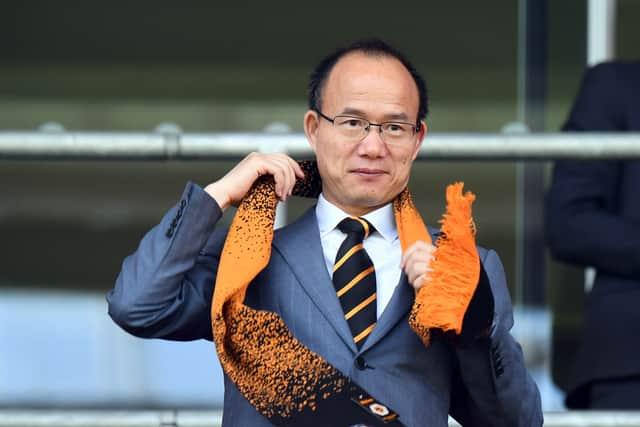

This was down 9.7 per cent on the previous year (2024) when revenue was £21 billion with profits of around £555 million reported.
The results come after Wolves confirmed a £15.3 million loss for the year 2024/25 as the club's latest financial accounts were revealed.
The Shanghai-based firm, which took control of Wolves in 2016, said its fundamentals remained solid - with core industries such as pharmaceuticals and healthcare and insurance and finance demonstrating “a good development trend” - with the twin drivers of innovation and globalisation delivering strong momentum.
Fosun’s four core subsidiaries (Fosun Pharma, Yuyuan, Fosun Insurance Portugal and Fosun Tourism Group) generated around £14 billion in revenue, accounting for 74 per cent of total revenue.
The group’s overseas revenue reached around £10.4 billion, accounting for 54.7 per cent of total revenue, representing a year-on-year increase of 5.4 per cent.
Fosun said it has continued to advance its strategy of “streamlining operations and strengthening the business, focusing on core businesses” as it confirmed a book loss of around £2.5 billion - an accounting adjustment related mostly to real estate values (55 per cent) and non-core assets (45 per cent) - but it said this did not affect the company’s overall operations and cash flow.
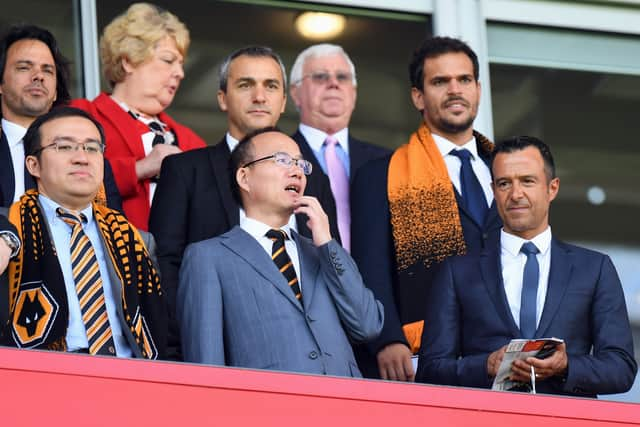
In a letter to shareholders, Guo Guangchang, chairman of Fosun International, said: “It should be noted that this loss does not reflect a deterioration in the company’s operating fundamentals. Instead, it was primarily attributable to the board’s prudent decision to recognise non-cash impairment provisions on certain projects arising from the company’s past development; it also involved impairment provisions on goodwill and intangible assets of certain non-core business segments. These provisions will not affect the company’s day-to-day operations, cash flow or business activities. Our core businesses such as pharmaceuticals and insurance continue to demonstrate steady growth.
“A loss is never desirable. Such a result is also unprecedented in Fosun’s more than 30 years of development. Although the loss is mainly non-cash items, we missed our profit expectations. As the company’s chairman and founder, I would like to express my sincere apologies to all shareholders and partners who care about Fosun’s development.”
He continued: “Some of the projects we invested in years ago are now indeed valued differently under current market conditions from what we expected at the time of investment. Accordingly, the board has prudently chosen to complete this asset impairment, allowing Fosun to better concentrate its resources and efforts on high-growth core sectors.
“As the global economy presents opportunities amid fluctuations and China’s innovation industry gains momentum, deepening our strategic focus now allows us not only to optimise our asset structure, but also to seize industry opportunities, positioning Fosun as a leaner, healthier, and more sustainable company.”
Fosun stressed it has maintained a healthy financial position, with ample cash reserves, a solid net asset base and positive net cash inflow from operating activities.
Mr Guangchang added: “It is precisely this strong foundation, together with the continued support of our partners, that gives us the confidence and determination to ‘repair the roof while the sun is shining’ — to shed burdens at this stage and pursue predictable, sustainable growth for the future. We must strengthen our core businesses with greater focus and depth. This is the path for Fosun to move more steadily and go further in the next phase.”
The business, which has been going for 34 years, said medium term it would strive to gradually restore annual profits to around £1.09 billion and Mr Guangchang said: “For the future, Fosun will not pursue short-term gains; instead, we will build a solid foundation for enduring growth.”
Fosun, one of the largest non-state-owned enterprises in China, bought Wolves for £30 million in 2016. It forms part of Fosun's Happiness sector of businesses.
Its annual results come amid a difficult year for Wolves that has seen the football club slump to the bottom of the Premier League, with relegation to the Championship a near certainty.
The club, which has made a loss in the last four consecutive years - last posting a profit in 2020/21 of £18.4 million - also replaced its executive chairman Jeff Shi with an interim appointment Nathan Shi amid fan unhappiness about a lack of investment in Wolves.
Comment Guidelines
Iconic Media encourages reader discussion on our stories. User feedback, insights and back-and-forth exchanges add a rich layer of context to reporting. Please review our Community Guidelines before commenting.