
'The danger is that these changes create a loophole': head's fears over special needs education reforms
The head of a school which specialises in dyslexia has warned that the Government's shake-up of special needs education could leave vulnerable children worse off.

Daryl Brown, joint principal of Maple Hayes Hall School in Lichfield, welcomed parts of the reforms, but warned that they also carries serious risks that some pupils might fall through the gap.
This week Education Secretary Bridget Phillipson announced plans to integrate more pupils with special needs and disabilities into mainstream schools, committing £4 billion over the next three years.
But Mr Brown, whose pupils are all in receipt of Education, Health and Care Plans (ECHPs), voiced concerns about proposals to phase out the programmes for all but the most complex cases over the next nine years.
The Government proposes that children in receipt of the care plans should be reassessed to see if they are still necessary, with the majority being moved to the new school-led Individual Support Plan instead.
The amount of money spent with independent specialist schools, such as Maple Hayes Hall, will also be capped, reportedly at £60,000 per year.
Mr Brown said he broadly welcomed the principle of reviewing children's plans when they moved schools, but warned the reforms carried serious risks, particularly for children whose needs fell between the two systems.
"A review at the end of the primary phase should happen," he said. "It would show whether a child's needs have been met and whether their plan needs to be strengthened for secondary school,.
"What concerns us is how the new funding will be used. If it goes towards support, keeping children afloat in the classroom with a teaching assistant, rather than genuine intervention designed to address their learning needs, then when that review at the end of the primary phase comes the problems will simply be bigger than before. Support does not improve a child's independence in learning. Intervention does."
Mr Brown said parents already faced up to three years to get an EHCP put in place.
"The danger is that these changes create a loophole where a child's needs cannot be met by the school but are not 'complex' enough to make the authority issue an Education, Health and Care Plan."
He said local authorities hade a statutory duty to provide an appropriate education for every child with special educational needs, and if the plans were restricted, there must be a robust mechanism to ensure that duty was still met.
Councillor Janet Higgins, cabinet member for education at Staffordshire County Council, said she was pleased the Government had finally moved to address the issue, which put huge pressure on both families and local authorities trying to meet the demand.
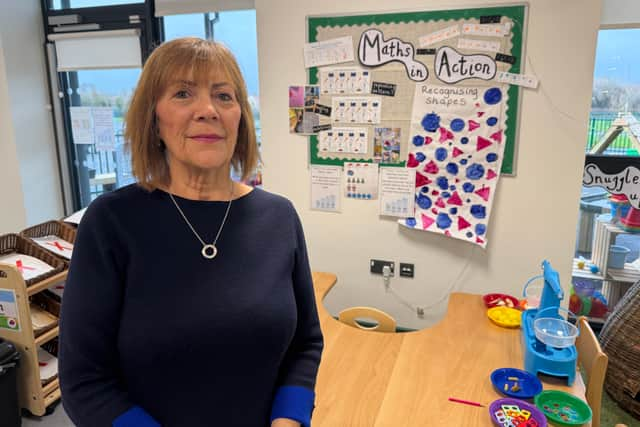

"I hope the proposals are on the side of parents and that they provide clarity about who is responsible for delivery, as well as addressing outstanding questions about the issue of funding.”
Staffordshire County Council currently supports more than 24,000 pupils with special needs, 9,925 of whom have EHCPs, an increase of 50 per cent over the past three years.
The county council has already invested in early support to target backlogs, and increased early intervention to prevent need escalating.
It is spending £1 million to create a Stafford town centre campus for 16 to 19-year-olds attending Walton Hall Academy near Eccleshall.
There are 23 special schools in Staffordshire, and the county council is working on increasing capacity at those – including the development of a new, all-age special school – as well as in mainstream schools.
Comment Guidelines
Iconic Media encourages reader discussion on our stories. User feedback, insights and back-and-forth exchanges add a rich layer of context to reporting. Please review our Community Guidelines before commenting.