
'It's about protecting people and showing how unacceptable and dangerous it is': Night of action and awareness across Wolverhampton around dangers of spiking
It was a night of education and action for police officers, bars and patrons in Wolverhampton city centre around the dangers of spiking and ways to prevent it.

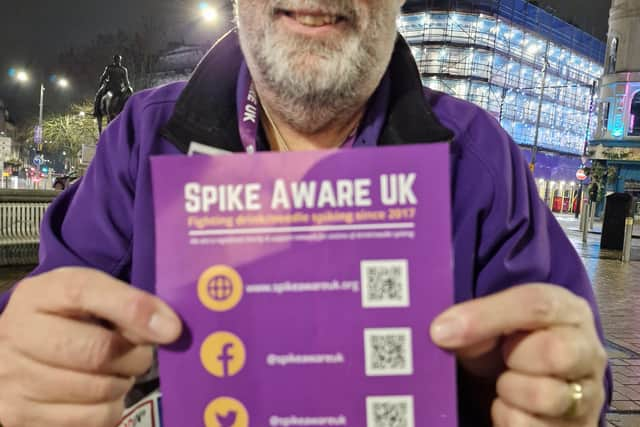
Leading members of West Midlands Police took part in a walk around Wolverhampton city centre on Thursday night with officers, city centre representatives and members of spiking charity Spike Aware UK to visit bars and speak to staff and customers about drink spiking.
Spiking is giving someone alcohol or drugs without them knowing or agreeing, for example, in their drink or with a needle, and, in the most recent statistics by Drinkaware, around 2 per cent of UK adults, equivalent to nearly one million people, said they believed they had been a victim of drinking spiking in the last year, rising slightly to 3 per cent among younger adults aged 18 to 34.

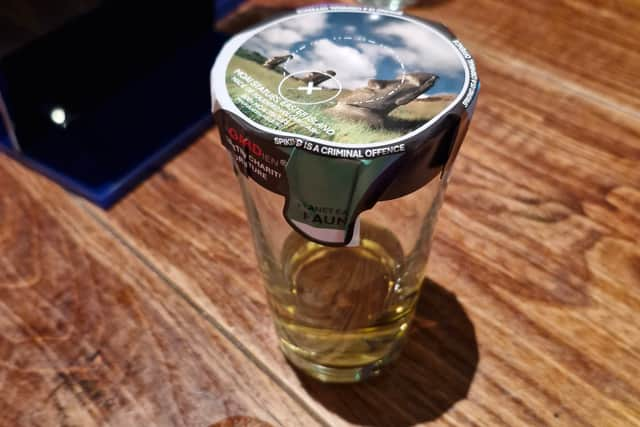
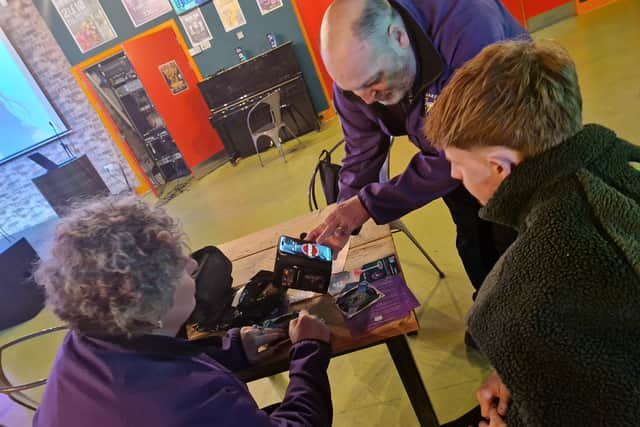
It was a chance for the force to learn more about the tools available to help prevent drink spiking, including sealable lids that can be placed over a glass or a bottle and a litmus test which, if it changes colour, shows a drink has been spiked, and help learn from people across the city of their own experiences from spiking.
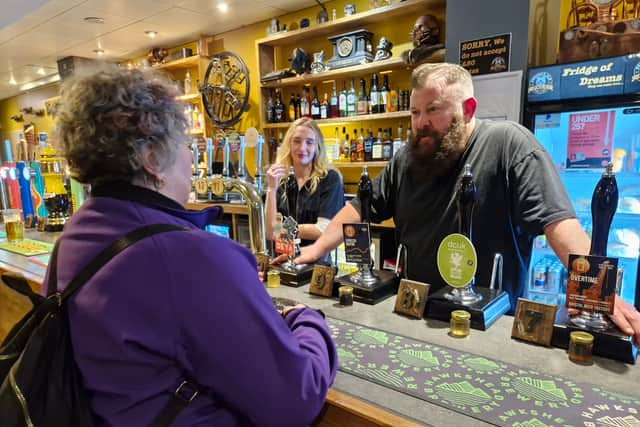
The walk around saw Detective Chief Inspector (DCI) Lucy Kirwan, who is the force lead for spiking, and Spike Aware founders Colin and Mandy Mackie visit the Slug and Lettuce, The PACK, Goose in the City, the Moon Under Water, Wolverhampton University's student union and the Planet Nightclub across the evening as part of a partnership between the force and the charity.
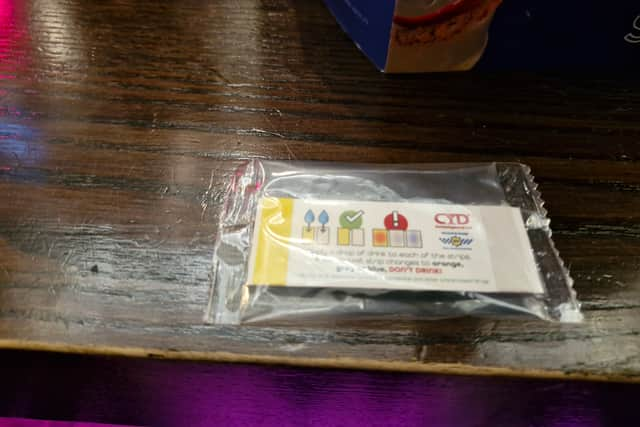
Each visit saw Colin and Mandy speak to bar staff and managers of the different bars about the procedures and tools they had around prevention of spiking, with DCI Kirwan also talking to staff and customers about what the force was doing.
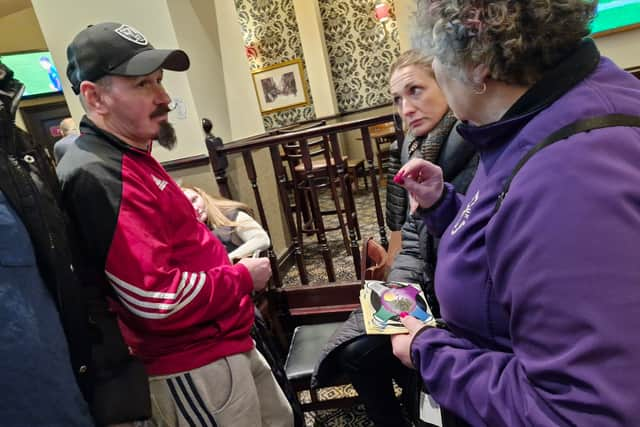
They also spent time with customers to learn about their own experiences, which included one man who said he thought had been spiked at least four times and two men who said they had once been unable to speak on a night out despite only having a couple of drinks and realised that they must have been spiked.
Colin and Mandy Mackie formed Spike Aware in 2017 after the death of their son Greg in 2017 after the 18-year-old had his drink spiked in his halls of residence at Edinburgh University, and Colin said his son's death had been a one-in-a-thousand event which had changed their lives.
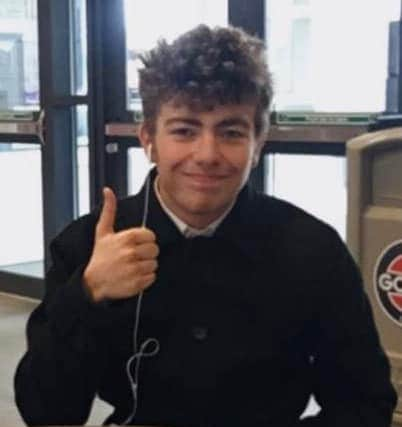
He said: "Eight years ago, we lost our son to spiking and his death broke all the rules that you would have said around spiking, as most people would say it happens to teenage girls and in a nightclub, but he was a teenage boy in his halls of residence and someone put five ecstasy tablets in his Coca Cola and, sadly, he lost his life that night.
"Because of that, we felt that there were other people that had been through what we had been through and so we created Spike Aware to campaign, raise awareness and try to change the law.
"We are learning as we are going and what we are finding is that more and more people are coming to us and reporting what has happened and we know that the law is changing to make it a standalone offence, so that will beneficial to everyone as it will not be tied to assault or theft and will be on its own.
Mr Mackie also praised the support of the police in Wolverhampton and in general across the country and spoke about wanting to make spiking something with the same stigma as drink driving.
He said: "The response from the police in Wolverhampton has been very good and it will be very good going forward as it should give the public reassurance that the police are involved and they want to know what is happening and want people to come forward.
"What we're looking to do, long term, is to make spiking socially unacceptable as, years ago, people would drink and drive and no one frowned on it, whereas now, no one will really drink and drive and that's what needs to happen with spiking that people see it happening and call it out and call out their friends if they're doing it."
The new law around spiking would be part of the Crime and Police bill, with it saying that a new ‘administering a harmful substance’ offence is to be created, using modern language to cover incidents of ‘spiking’.
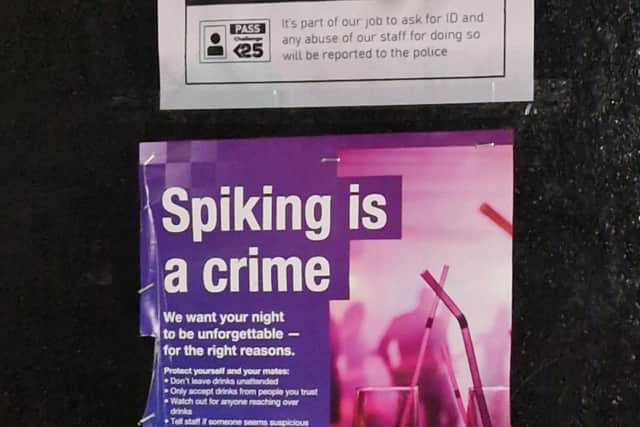
This will expand the legislation from the 1861 act that referred to the administration of a noxious substance.
DCI Kirwan said the walk around had been about supporting Spike Aware UK and also help inform people about the dangers of spiking and the work being done by the force.

She said: "We are trying to tackle this issue in our city centres and we're doing a lot of campaign work to keep people safe, so we invited Spike Aware UK along as they do some great campaigning to raise awareness of spiking in the night time economy by going into licensed premises and talk to them and make sure they are aware of the risk of hosting people who may spike others.
"What we really want to do is put some strong messaging out that if you are going to put something in someone's drink or give someone something that they didn't consent to, it's a criminal offence.
"What we don't know at the moment is the amount of spiking happening because people aren't reporting it as much as they should do, so we want to encourage people to report more to us so that we can understand if we do have a problem.
"It's very much about keeping people safe and what we want to do is raise awareness across our night time economy and make sure that our city centres are safe places for people to go and ensure that people can feel safe when they are out enjoying themselves."