
I love this ancient West Midlands woodland that refused to die

'Magical' woodland in the West Midlands is perfect for winter walks - and site of special scientific interest
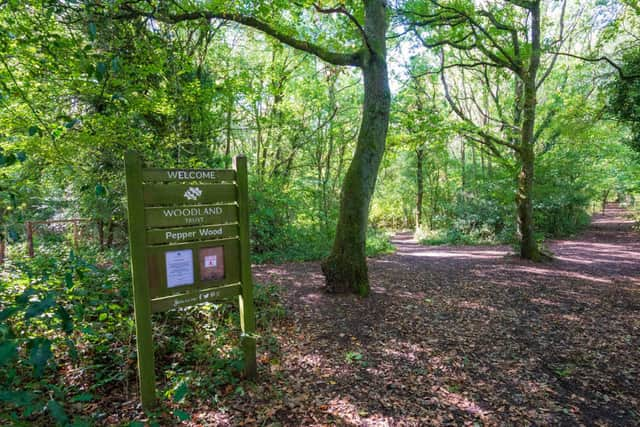
Just outside Fairfield near Bromsgrove lies Pepper Wood, once known as Pyperode and recorded as far back as the 1200s.
Today it is a cherished Site of Special Scientific Interest, but its calm appearance hides a turbulent past.
It is situated just south of the Black Country, making it a popular spot for walkers and e-bike riders accessing the area via bridle paths near Bromsgrove and Lowtown.
This ancient woodland was felled not once but twice, first during the First World War and again shortly after the Second. Whole swathes vanished to feed industry and war, yet the wood refused to disappear.
Through natural regeneration and steady community care, it grew back into one of Worcestershire’s most valuable habitats.
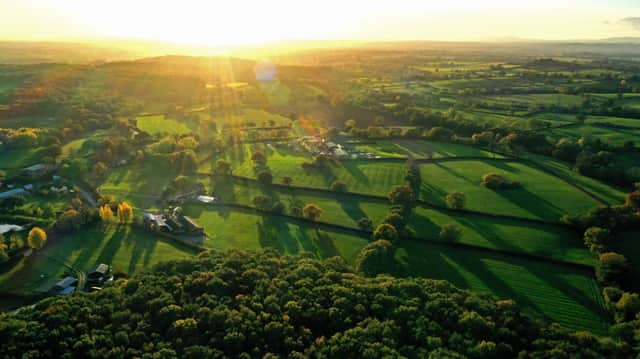
Today the main entrance to the wood is to the south off Dordale Road, the woodland offers stunning views of the Malvern Hills.


That resilience is part of what makes Pepper Wood so special. Step inside and you might spot the local melanistic fallow deer herd crossing a ride or find the tiny sandy cases of the rare land caddisfly tucked into oak leaves.
White admiral butterflies flick through open glades, and a mix of woodland birds keeps the place lively. Nuthatch, marsh tit and great spotted woodpecker are regulars, while buzzards call overhead and tawny owls take over after dark.
The wood sits just a short walk from its small car park, where a flat, surfaced bridleway runs north to south. It is the easiest route for wheelchairs and pushchairs.
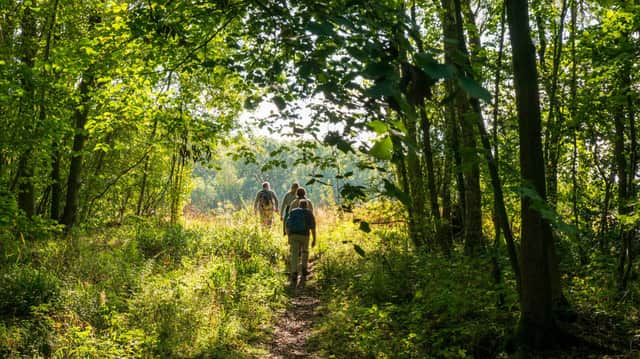
Other paths weave through slopes, steps and bridges, some turning muddy in winter, all leading you deeper into the character of the place.
Pepper Wood’s structure owes much to coppicing. Regular cutting keeps the canopy open and fills the woodland with soft, scattered light. More than 100 plant species thrive as a result, including herb paris, lily-of-the-valley, broad-leaved helleborine and spiked wood sedge.
Large and small-leaved lime trees grow together here, a rarity, and the scarce wild service tree hides among the mix. The only mature field maple stands quietly by the car park.
The wood’s industrial past runs deeper than the wartime felling. During the industrial revolution, charcoal from Pepper and nearby woods fed more than 20,000 iron foundries across the Black Country.
By the 1800s, Belbroughton was the world’s scythe-making capital, and many of those staves likely began as coppiced poles in Pepper Wood.
After the wood was bought in 1981, its stewardship passed to the Pepper Wood Community Woodland Group.
They revived the centuries-old practice of coppicing with standards, giving the wood its sunny, varied structure. Their efforts helped the site win SSSI status and continue to shape its recovery. The small extension at Gorsy Piece, purchased in 2017, shows the same spirit. In only three years it has filled with young trees and rare grassland flowers.
Community support keeps Pepper Wood moving forward. In December 2022, volunteers from Fairfield, local schoolchildren and staff from Lloyds Banking Group planted around 250 young trees, helping secure the next chapter of this ancient landscape.
With guided walks, photography sessions and seasonal events, Pepper Wood is not just a place to visit. It is a place to belong, and a living reminder that even a wood cut to the ground can rise again when people choose to care for it.
For more on Pepper, visit the Woodland Trust website here.
Comment Guidelines
Iconic Media encourages reader discussion on our stories. User feedback, insights and back-and-forth exchanges add a rich layer of context to reporting. Please review our Community Guidelines before commenting.