
Volvo introduces world’s first multi-adaptive seat belt
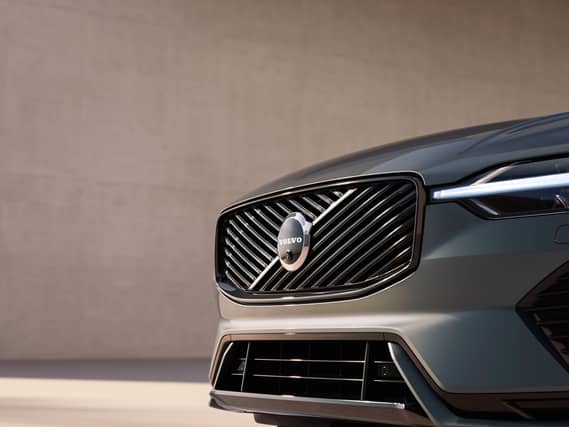

It will be first used in the firm’s upcoming EX60 electric SUV next year.
Volvo has taken vehicle safety to a new level with the introduction of the world’s first multi-adaptive seat belt.
The multi-adaptive seat belt uses data from a car’s interior and exterior sensors which adapts the settings of the belt’s pretensioner towards the individual’s profile, such as their height, weight, body shape and seating position.
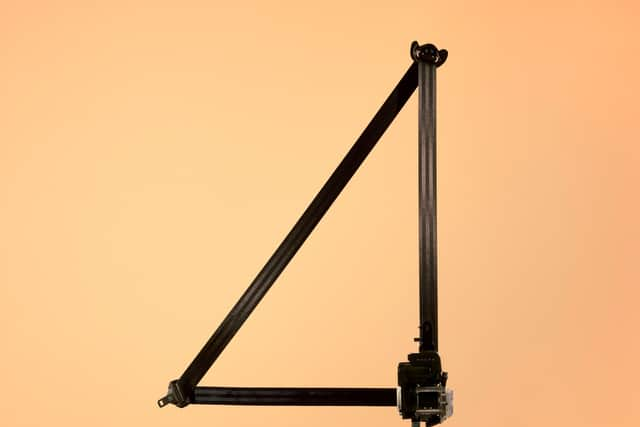
For example, in a crash, the seatbelt’s load setting will be higher for a larger occupant to reduce the risk of head injury. Meanwhile, a smaller driver or passenger in a milder crash will receive a lower belt load to reduce the risk of rib fractures.
It’s achieved by increasing the number of load-limiting profile variations, which manages the force applied from the belt to the occupant in the event of a crash. The manufacturer claims that the system will get better over time through over-the-air updates.
Asa Haglund, head of Volvo Cars safety centre, said: “The world’s first multi-adaptive seat belt is another milestone for automotive safety and a great example of how we leverage real-time data with the ambition to help save millions of more lives. This marks a major upgrade to the modern three-point safety belt, a Volvo invention introduced in 1959, estimated to have saved over a million lives.”
The multi-adaptive seat belt will be first used in Volvo’s new EX60 electric SUV when it goes on sale next year.