
Jaguar Land Rover extends renewable energy deal as part of low-carbon future
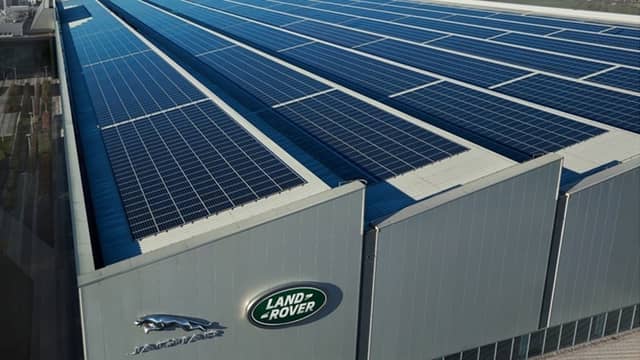

Firm has signed a deal with EDF Energy that runs until March 2020.
Jaguar Land Rover has signed a new three-year deal with EDF Energy that will see 100 per cent of its electrical energy come from renewable resources.
The electrical supply is backed by the Renewable Energy Guarantees of Origin scheme, which certifies the proportion of supply that comes from renewable sources. It ensures that a certain amount of EDF Energy’s renewable energy is safeguarded for Jaguar Land Rover’s use.
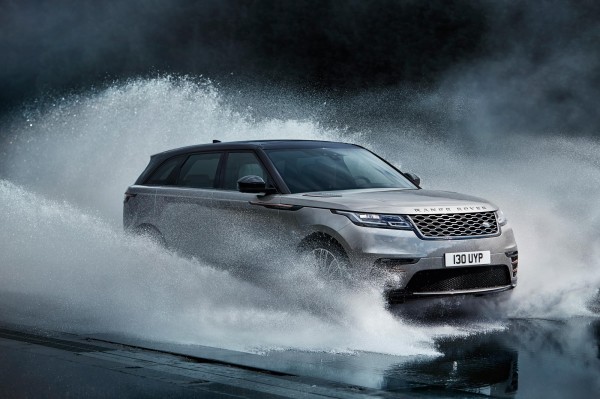
The British manufacturer has been using 100 per cent renewable energy sources from EDF since April 2016, with the total energy used across the company for the previous 12 months registered at more than 1.4 million MWh.
Ian Harnett, executive director of human resources and global purchasing at Jaguar Land Rover, said: “Our future is low-carbon, clean and efficient. Our programme to reduce our burden on the National Grid doesn’t end here – we seek continual improvements, both in how we can reduce energy consumption further and how to minimise our carbon emissions.”
He also pointed to the vast solar array fitted to the roof of the company’s engine manufacturing centre in Wolverhampton as further evidence of its commitment to renewable energy.
100% of the electricity used for our UK operations now comes from renewable sources thanks to a new deal with energy partner @edfenergy pic.twitter.com/OVykRTBTVK
— Jaguar Land Rover (@JLR_News) March 9, 2017
The news was revealed as part of Jaguar Land Rover’s ‘Sustainability Report’, which outlines the British manufacturer’s work to reduce its emissions and carbon footprint.
It said that when comparing 2015 figures with 2007’s, exhaust CO2 emissions across its range were down 32 per cent, while the amount of energy used to produce each vehicle was reduced by 38 per cent.
More than £3 billion has also been ploughed into ‘technology, design, engineering and manufacturing’ as part of its investment in electric and hybrid powertrains, as well as the development of existing combustion engines.
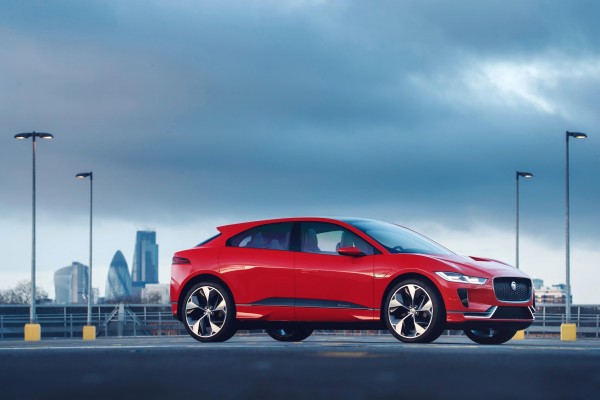
At this week’s Geneva Motor Show the Jaguar I-Pace made its public debut. The concept was a preview of the manufacturer’s design for an all-electric SUV based on the existing F-Pace platform. The production model will be released late this year, with deliveries set to begin in 2018.