
Here’s how to stay safe when driving in wet weather
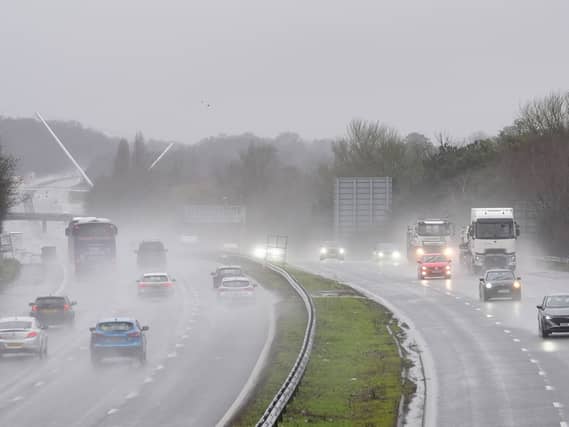

Plenty of winter rain can make driving more hazardous, but there are some things you can do to make it safer.
Wet weather comes as a core part of winter in the UK, with parts of the country experiencing heavy rainfall for large parts of the season. Setting out in the car during wet weather can pose some challenges, but there are some steps that you can take to boost safety.
We’ve been speaking to tyre specialists Davanti about some of the key tips and tricks to bear in mind when driving in the rain this winter.
Reduce your speed
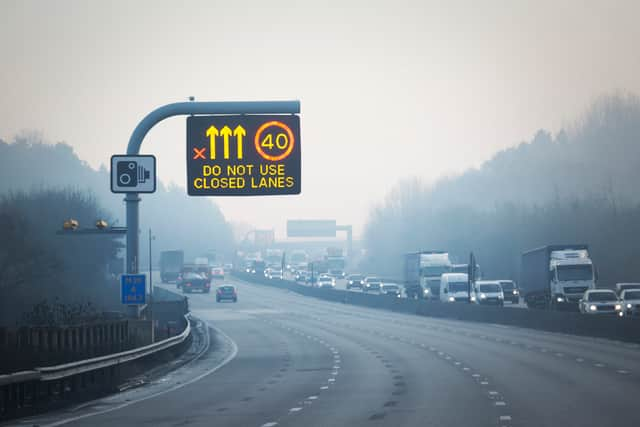
Reducing your speed also gives you more time to react to any potential slowdown ahead. We’d also recommend increasing the distance between your car and the vehicle in front, as it’ll give you a better buffer in case you need to stop suddenly.
Don’t rely on automatic headlights
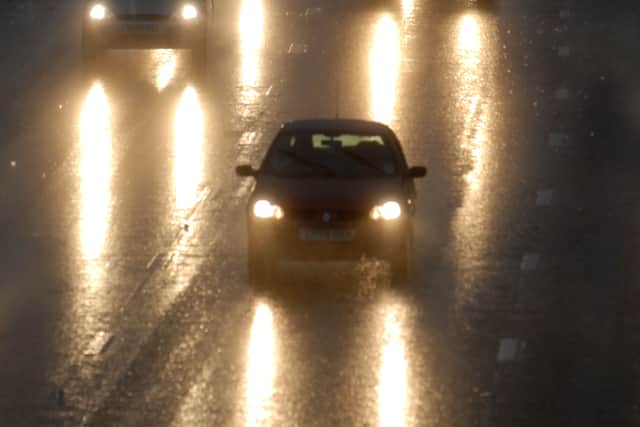
It’s always recommended to physically switch your dipped beams on, rather than relying on the ‘auto’ setting.
Avoid using cruise control
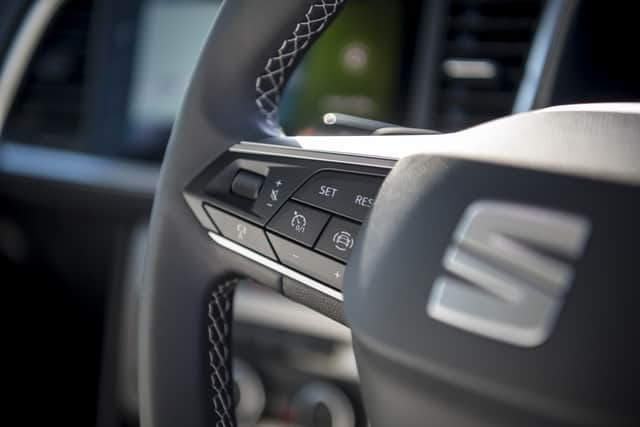
Switch off cruise control during heavy rain and you’ll have better overall control of the car. Once the heavy rain has passed, switch it back on.
Check tyre tread beforehand

Check your tyre treads regularly, with Davanti recommending that tyres should be swapped out if the tread is 3mm or lower. The legal limit in the UK is 1.6mm, though it’s always a good idea to swap them out well before that.
Make sure tyres are at the correct pressure
Under-inflated tyres will sag in the central area and this will cause the grooves and channels to flatten. This could then see water ‘trapped’ underneath, increasing the chance of aquaplaning and a loss of control.
That’s why making sure your tyres are properly inflated is so important. Consult your vehicle’s handbook and top up all four tyres to the right pressures. Always check your tyres when cold to make sure you get the most accurate reading.
Replace wipers
Got windscreen wipers that are squeaking and struggling to properly clear water? Get them swapped out for new ones. It’s a small change that can make a big difference and changing them at home is easy.
However, if you’re unsure of how to change your car’s windscreen wipers, most motoring stores will fit them for you for a small fee.
Take extra care with flooded roads
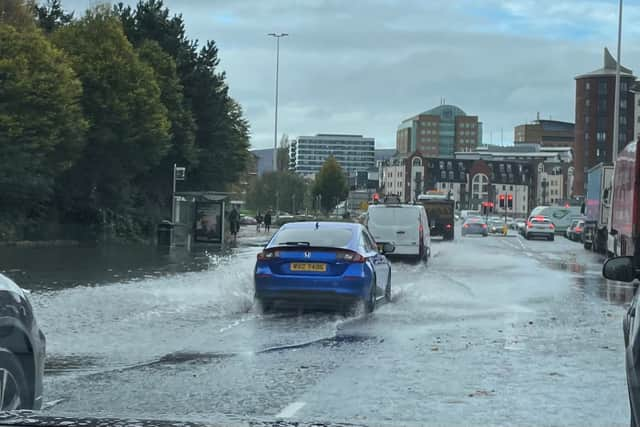
If it does seem that the water levels are okay, aim for the centre of the road where it’ll be shallowest. Take your time and make steady progress, keeping revs high. Once you’re at the other side, make sure you test the brakes and steering, applying light pressure to the brake pedal to get rid of any water that might have settled on the discs and pads.