
Landmark former chip shop rebuilt at museum is a nod to the culinary past of the Black Country
It's a place which brings back the tastes and smells of a landmark shop and gives it a modern touch.


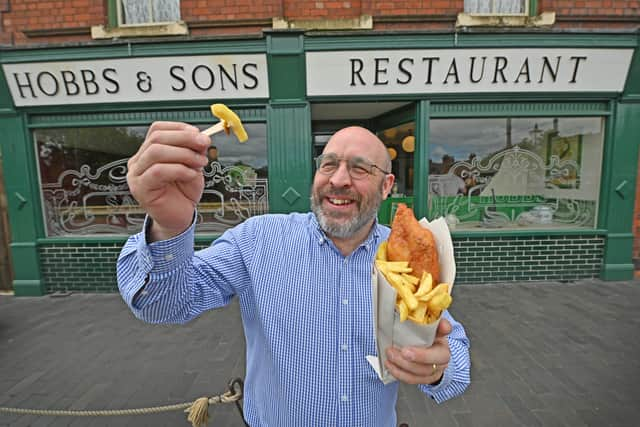
Hobbs & Sons Restaurant was once a fixture of Dudley town centre, somewhere for people wanting authentic fish and chips cooked in beef dripping to go and satisfy their cravings, but appeared to have been consigned to history when it closed in 2006.
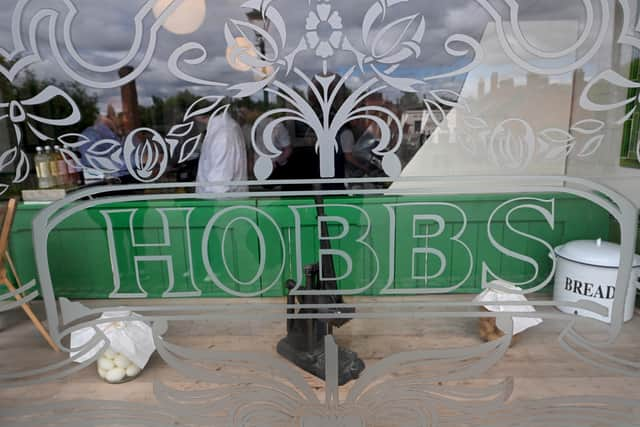
However, as a number of much-loved buildings have had happen, the restaurant and takeaway was given a new lease of life after being bought and rebuilt, brick by brick, on the 1930's High Street at the Black Country Living Museum.
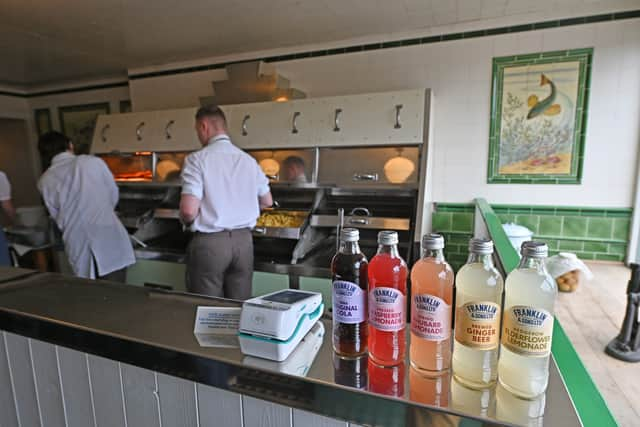
The museum also painstakingly worked to resurrect the restaurant as it would have appeared in 1935, right down to the tables, chairs and pictures inside the restaurant before it opened to the public in 2009.
Since then, it has become one of, if not the most, popular parts of any visit to the Black Country Living Museum, with long queues visible throughout the day as people wait to get their hands on a portion of fish and chips from staff members in authentic period clothing.
Museum food and beverage manager Rory Shannon said the iconic nature of the fish and chip shop within Dudley history had made it a viable thing to bring to the museum and said that while some modern touches had been bought in, it had stayed more or less to the same standard.
He said: "It's iconic with Dudley folk and you still have people who come to the museum that live locally or have moved away, but keep coming back, and the first thing they say is that they will come to the fish and chip shop and remember how they would to Hobbs & Sons when it was in the town centre.
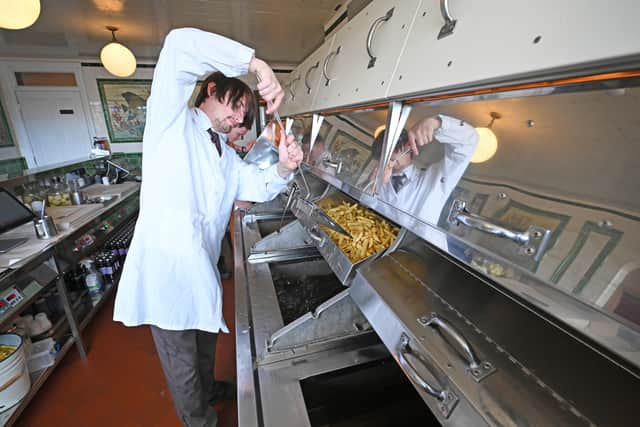
"Up until recently, we had a range in there which was 100 years old and it's now done its time and been retired and we've got a new one in, but we've kept the aesthetic of the old range, which was built down the road.
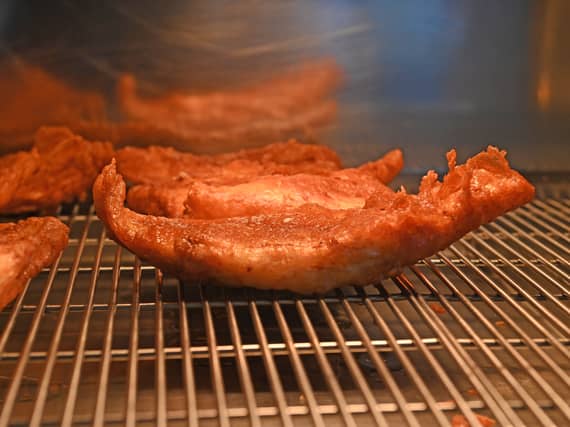
"We try to keep the food as close to the original recipe as we can and while times have moved on, we still cook the fish and chips the traditional way in beef dripping, which brings out the taste and crispness.
"You can instantly know that the chip has been cooked in beef dripping, as opposed to the vegetable oil in most shops, and it's much crispier and has the beef dripping taste and that's the flavour that goes with it."
Mr Shannon said the ingredients were sourced locally wherever possible, with the potatoes coming from Worcestershire and the cod from local suppliers and while costs of potatoes had tripled at one point, the museum was still able to cover costs and provide an affordable meal.
In terms of costs, a portion of fish and chips is £9.75, while fish on its own is £6.25, with battered roe and chips available for £6.75 and battered roe individually for £3 and a portion of chips, either cooked in beef dripping or vegetable oil, for £3.75.
Mr Shannon said the restaurant was still the most mentioned part of the museum and said that the whole experience was what made it for people, as a think he loved as well.
He said: "After the museum itself, the next thing visitors mention is Hobbs & Sons and it's all part of the experience with the queueing, the eating out of the paper, the salt and vinegar on your fingers and the smell of fish and chips afterwards when you're finished.
"You definitely notice on Fridays that it's busier as that was a traditional day for having fish and while it might be done for religious reasons any more, it's still a habit, like having turkey at Christmas.
"I think it's just an iconic thing for people that remember it was in Dudley and fish and chips is our nation's favourite anyway, so when it's cooked in beef dripping, people remember that, particularly with a picked egg or onion on the side.
"It means a lot to me as it's really busy on the site and as food and beverages manager, it's a key aspect of my job, but it's also a hearty meal as well and while it might not be caviar or foie gras, it's our version of it in the Black Country."
Hobbs & Sons can be found on the 1930's High Street at the Black Country Living Museum.
Comment Guidelines
Iconic Media encourages reader discussion on our stories. User feedback, insights and back-and-forth exchanges add a rich layer of context to reporting. Please review our Community Guidelines before commenting.