
Spring Statement 2026: West Midlands business leaders react to latest announcements by Rachel Reeves
Unemployment, government debt and welfare spending all came under the spotlight when Chancellor Rachel Reeves announced her Spring Statement in the Commons today.
Meanwhile, the Office for Budget Responsibility has revised down growth projections for 2026, predicting the UK's economy will grow by 1.1 per cent this year, lower than the OBR's previous forecast of 1.4 per cent made in November.
Growth measured by GDP (gross domestic product) is then expected to be 1.6 per cent in 2027, higher than the previous forecast of 1.5 per cent, while unemployment is forecast to hit 5.3 per cent this year, higher than the previous forecast of 4.9 per cent before falling to 4.9 per cent in 2027.
Unlike the Budget, the Spring Statement provides an overview of the UK economy and its short-term future prospects rather than offering any major policy announcements from the Government.
Here, West Midlands business leaders have been reacting to the statement, with some praising it for being "shock free" while others said companies needed targeted support.
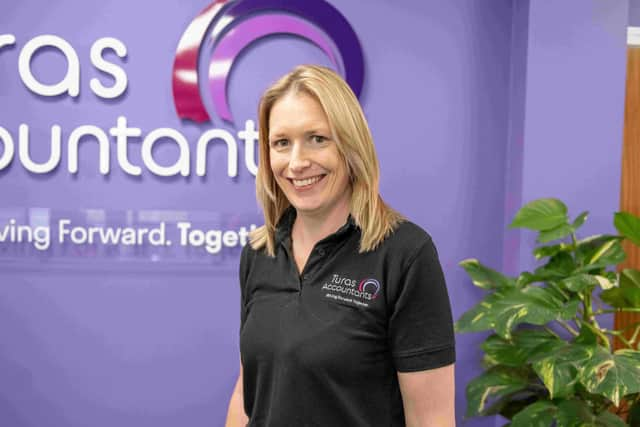

Helen Columb owns Telford-based Turas Accountants and said businesses would be breathing a sigh of relief as the statement contained few surprises and a lack of political "psychodrama" seen around last year's Budget.
"After the turbulence of the last two Budgets, most business owners weren't looking for fireworks but for stability," she said.
"In that sense, today's statement has delivered. There were no major shocks and no sudden changes of direction. That alone will come as a relief.
"Last year, many of our clients were forced into a holding pattern. The speculation around the November Budget created real anxiety for months in advance.
"Businesses delayed investment decisions, recruitment plans and long‑term commitments because they simply didn't know what was coming. Today's statement may not have been exciting but it was predictable and predictability is exactly what the business community has been crying out for.
"This is a good moment to take stock. Certainty may be in short supply these days but today's statement gives us a window of calm and businesses should use it."

Ruth Ross is chief executive of business body Shropshire Chamber of Commerce and believes businesses will be relieved that the Spring Statement was "shock free".
"In this volatile world, companies have been clear that what they value most is a predictable policy environment in which they can plan, invest and grow," she said.
"The Chancellor's decision to avoid sudden changes or unexpected interventions will be welcomed on shop floors, factory floors and in boardrooms alike.
"What we heard today gives businesses the space to focus on productivity, skills and innovation rather than firefighting yet another round of policy upheaval.
"While there is still a pressing need for long‑term clarity on issues such as business rates, energy costs and the future of the labour market, the absence of unwelcome surprises is itself a positive signal."
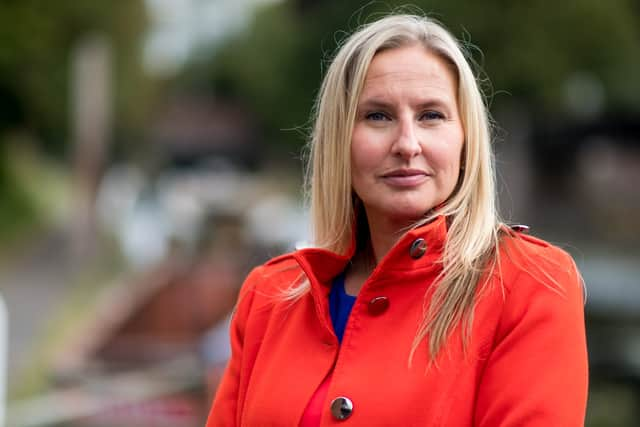
The head of Black Country Chamber of Commerce said the Spring Statement must be a springboard for measures that make a real difference to regional firms.
Chief executive Sarah Moorhouse feels the statement should act as the starting point for a conversation about what comes next.
She said: "Our members are dealing with a combination of pressures that show no sign of easing. Energy costs remain a significant burden for manufacturers and businesses of all sizes.
"The increases to employer national insurance contributions are hitting businesses hard, particularly smaller firms where every pound of additional cost matters.
"Skills shortages continue to hold back growth and the cost of doing business more broadly is squeezing margins to breaking point for many.
"For the businesses in the Black Country that are part of the UK's defence supply chain, the investment commitments referenced today also represent an opportunity worth watching.
"But the Black Country needs more than a positive economic backdrop. It needs targeted support for the businesses that are the backbone of this region - from manufacturing to professional services, retail to hospitality.
"The autumn Budget is where the Government has the chance to show it is serious about growth."
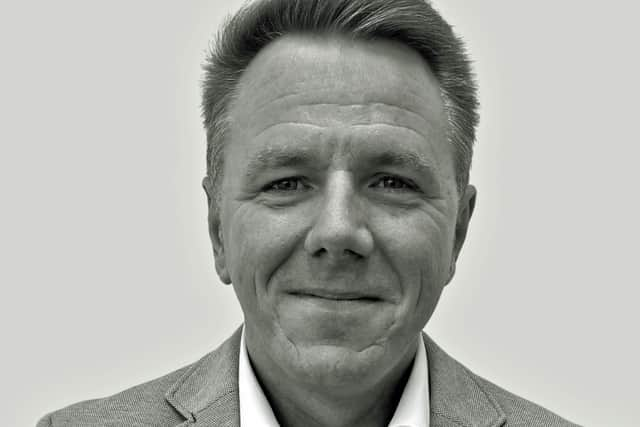
Jon Quinn is managing director of Halls, the Shrewsbury-based estate and commercial property agency and auction house.
He also welcomed the "stability" theme of the Chancellor's Spring Statement and said the modest downgrade in 2026 growth reflected a steady but unspectacular recovery.
He added: "However, the faster fall in inflation towards the two per cent target is encouraging as it underpins confidence and supports the prospect of further interest rate stability or reductions which is crucial for the housing market.
"The OBR's expectation that house prices will rise broadly in line with earnings growth over the next five years suggests a more sustainable market than we have seen in previous cycles.
"In regional markets, such as Shropshire and Mid Wales, where affordability remains comparatively strong, we expect continued steady demand rather than volatility.
"Importantly, improving inflation and the prospect of easing borrowing costs should help unlock transactions. The projected peak in unemployment at 5.3 per cent is worth monitoring as employment security remains a key driver of buyer confidence.
"Overall, this statement reinforces a narrative of gradual recovery. For the property sector, consistency and confidence matter more than short-term fiscal announcements. Stability creates movement and movement drives the market."
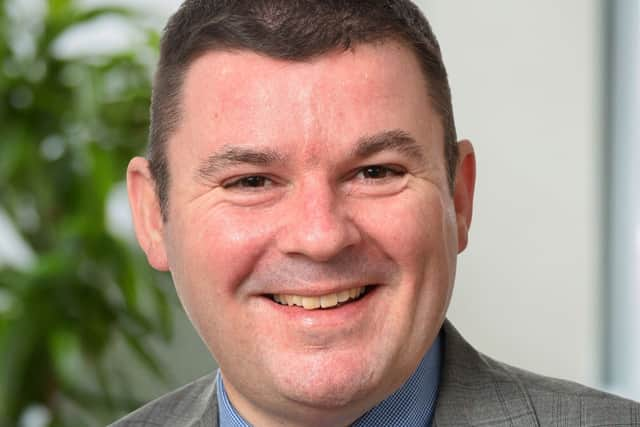
James Chappell is associate tax director with accountants and business consultancy DJH which has offices in Halesowen and Walsall.
He said the statement provided a clearer sense of how existing commitments would carry through into the next few years.
"In the current climate, that consistency can be just as important as new policy," he said.
"For the Black Country, one of the most noticeable effects will be on the hospitality sector. Pubs, live music venues and small cultural spaces are a big part of the region's identity and economy, supporting local jobs and keeping high streets vibrant.
"These businesses often operate on tight margins so even small changes to their cost base can make a real difference. That's why the announcement made in January of a 15 per cent discount on business rates is important.
"This gives operators some breathing space and a more predictable outlook at a time when many are working hard just to stand still. It won't remove every challenge but it is a meaningful step that should help protect the venues that play such a central role in Black Country life."
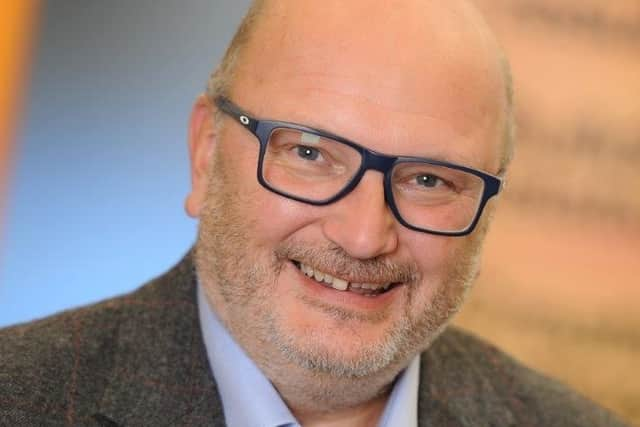
Johnathan Dudley is head of manufacturing and small businesses with accountancy group Crowe in Oldbury.
He said: "The downgrade in growth forecasts and rising unemployment is worrying. Lower growth means lower tax revenues and, without tighter spending control, something will eventually have to give.
"At the Make UK conference, there was strong emphasis on the economic boost that increased defence spending could deliver but industry remains concerned about delays and a lack of visibility.
"With Treasury constraints still holding departments back, the question now is whether weaker growth could further delay the defence investment the sector has been promised."
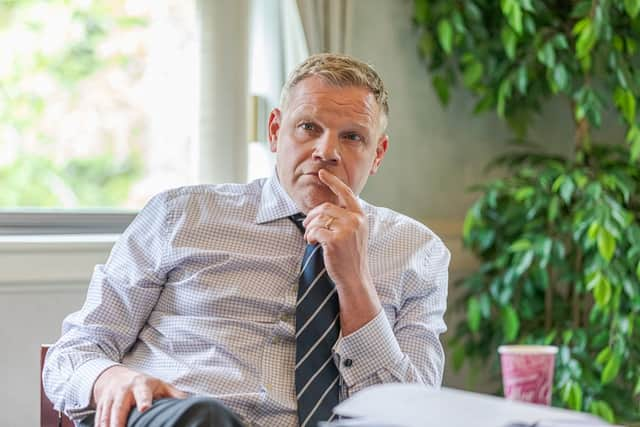
Paul Inions is managing director of Telford-based construction and civil engineering company McPhillips and called on the Government to back the sector with action and not just words.
"The reaffirmed commitments we heard today on affordable housing, defence spending and infrastructure investment are, on the face of it, encouraging," he said.
"The Chancellor talked about backing the builders and not the blockers - well, we are ready to build.
"The skills, the workforce and the ambition are here. What we need now is for the Government to match that readiness with action. But, and this is a significant but, we have heard these kinds of promises before.
"The construction sector has been promised action on housing, infrastructure and skills time and again.
"What we need now is not more warm words but real momentum. Projects need to move. Decisions need to be made. Procurement needs to speed up.
"So yes, we welcome the direction of travel but the industry is tired of waiting for the journey to begin."
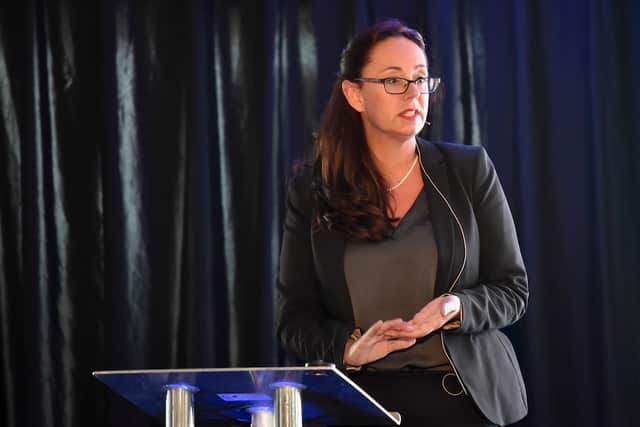
Amy Bould runs PR agency Be Bold Media in Newport and questioned whether the Chancellor's plan which she called "the right one for Britain" would even reach businesses in Shropshire.
Ms Bould said: "She told the Commons that growth should reach every part of Britain - that the economy cannot be working if it is only delivering for a few people in a few places. I'd agree with that completely. So where does that leave Shropshire?
"Shropshire has been excluded from both the Local Growth Fund and the Pride in Place programme.
"There is no clear successor to the UK Shared Prosperity Fund. We are looking at an actual funding 'black hole' not seen since before the UK's involvement in EU programmes more than 30 years ago.
"Cross into the West Midlands Combined Authority area and the picture changes immediately. Businesses there can access a level of support that their counterparts in Shropshire simply cannot reach.
"At some point, the Government does need to set out clearly how areas outside combined authority structures will be included in the growth agenda. That moment clearly wasn't today."
Comment Guidelines
Iconic Media encourages reader discussion on our stories. User feedback, insights and back-and-forth exchanges add a rich layer of context to reporting. Please review our Community Guidelines before commenting.